

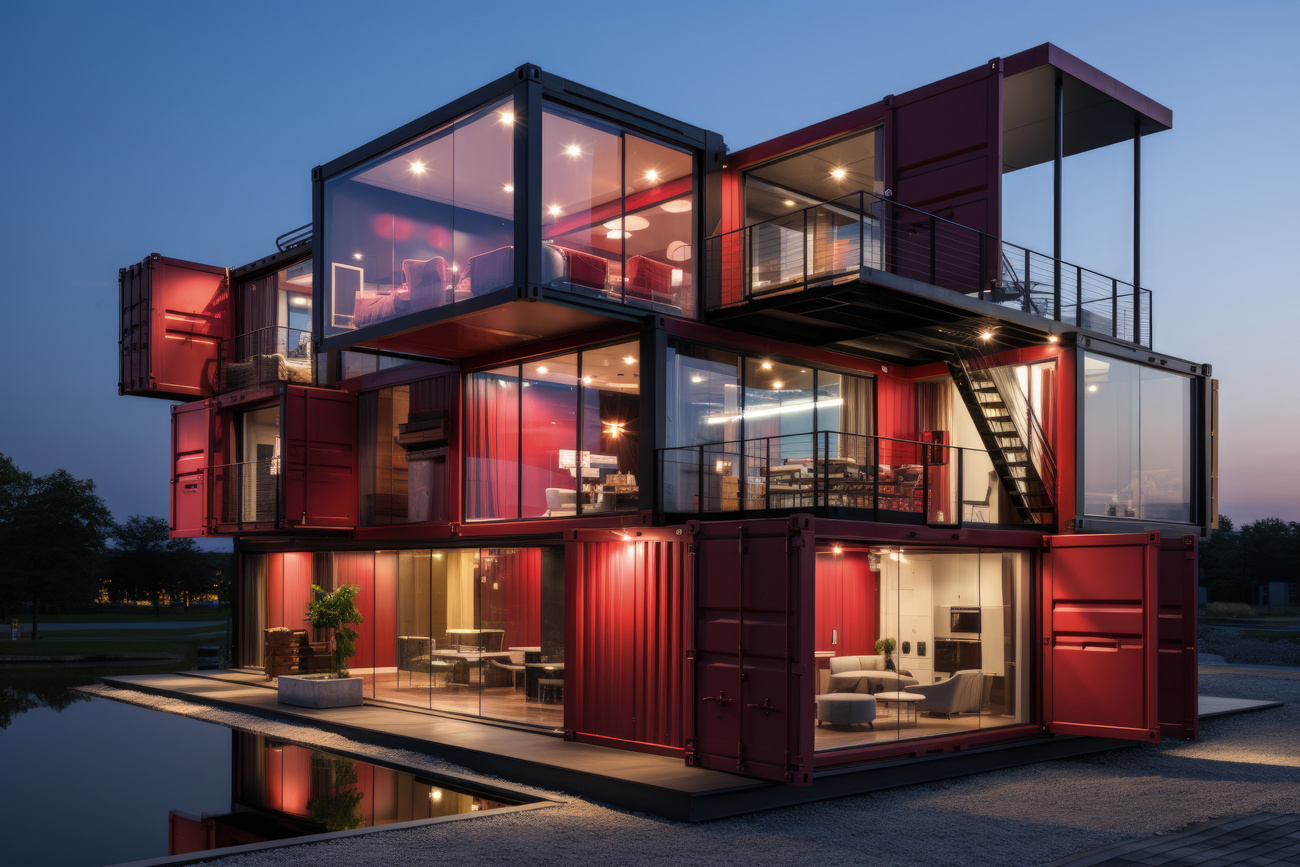
Compact Micro-Living Homes: Redefining Urban Living
As global urban populations rise and housing costs continue to climb, compact micro-living homes are emerging as an innovative solution to modern residential challenges. Designed to maximize functionality within minimal square footage, these small-scale homes reflect a shift in how people view space, lifestyle, and sustainability.
What Is Micro-Living?
Micro-living refers to residential spaces typically ranging from 15 to 40 square meters, engineered to offer a complete living experience within a highly efficient layout. The focus is not on reducing quality, but on optimizing every inch of space through clever design and multi-purpose features.
Key Design Principles
Smart Spatial Planning
Micro-living homes rely on strategic layouts that prioritize essential functions sleeping, eating, working, and relaxing while minimizing wasted space. Sliding doors, built-in cabinets, and hidden storage are common elements.
Multi-Functional Furniture
Furniture often performs more than one role, such as fold-down beds, expandable tables, or modular seating. These designs allow one room to shift seamlessly from bedroom to living room or workspace.
Vertical Optimization
Instead of spreading outward, micro-homes use height. Lofts for sleeping areas, high shelving, and tall cabinetry utilize vertical space that is often overlooked in conventional homes.
Minimalist Aesthetic
Clean lines, neutral tones, and clutter-free interiors create a sense of openness. Minimalism also aligns with the lifestyle many micro-living residents adopt—fewer belongings, more experiences.
Advantages of Compact Micro-Living
Affordability: Smaller units mean lower rent, utility costs, and maintenance expenses. Sustainability: Micro-homes consume fewer materials and energy, lowering environmental impact. Urban Accessibility: They allow residents to live in central city areas close to work, transportation, and amenities. Lifestyle Flexibility: Well-suited for young professionals, students, digital nomads, and individuals who prioritize mobility over material accumulation.
Challenges and Considerations
Despite their benefits, micro-living homes also come with challenges. Limited storage and lack of privacy can be concerns, especially for couples or families. Some residents may also need time to adjust to living with fewer possessions and relying on communal amenities such as shared kitchens or lounges.
The Future of Micro-Living
As cities become denser, micro-living is expected to evolve with smarter technologies and more sustainable materials. From modular architecture to AI-powered home systems, the micro-living movement is transforming not only how homes are built but also how individuals interact with their surroundings. Micro-living represents a lifestyle shift toward simplicity, efficiency, and conscious consumption concepts increasingly relevant in today’s urban world.
Date: May 16, 2026
Buying a home is one of the most significant financial and emotional decisions a person can make. For many buyers, the process can feel overwhelming due to the wide range of options, financial considerations, and long-term implications. As a property professional, your role is not just to sell but t ...

Date: May 17, 2026
Buying your first property is an exciting milestone, but it can also be overwhelming. Many first-time buyers make avoidable mistakes that can lead to financial stress, regret, or missed opportunities. Understanding these common pitfalls can help you make smarter, more confident decisions. 1. Not ...

Date: May 18, 2026
In recent years, there has been a noticeable increase in the number of property buyers shifting their focus from city centers to suburban and peripheral areas. This trend is driven by a combination of economic, social, and technological factors that are reshaping how people choose where to live. ...

Date: May 19, 2026
In today’s competitive and information-rich marketplace, transparency has become a key factor in influencing consumer decisions. Buyers are no longer satisfied with vague claims or incomplete information they expect honesty, clarity, and openness from the brands they choose. Transparency is not ju ...

Date: May 20, 2026
Buying a land plot (often referred to as kavling in Indonesia) is widely seen as a promising investment. Land tends to appreciate over time, offers flexibility for future development, and is often considered more stable than other property types. However, despite these advantages, many potential buy ...
Ala Land Bali — a magical place for the real you
BECOME PART OF THE HISTORY Share your contact details, and our manager will reach out
with full project details