

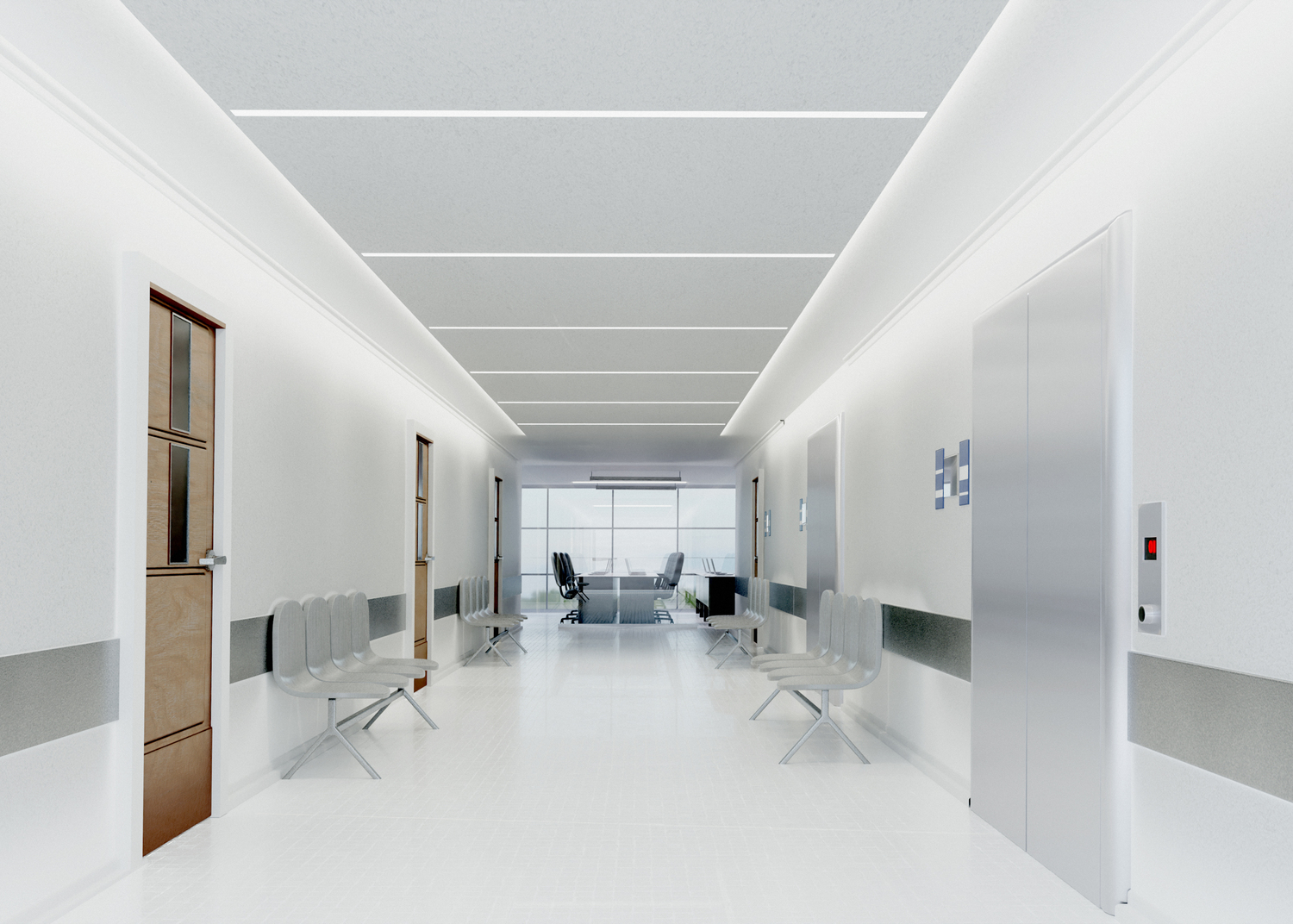
Essential Tips to Consider When Building a Hospital
Building a hospital is a complex project that requires careful planning, strategic investment, and attention to detail. Unlike other types of buildings, hospitals must prioritize patient safety, operational efficiency, and compliance with strict regulations. Here are some key tips to consider when planning and constructing a hospital:
1. Location and Accessibility
The location of the hospital is critical. It should be easily accessible to the community, close to main roads, and supported by reliable infrastructure. Adequate parking spaces and convenient access for ambulances are also essential.
2. Compliance with Health Regulations
Hospitals must follow strict building codes and healthcare regulations. From fire safety standards to infection control guidelines, ensuring compliance with local and international health authorities is a top priority.
3. Efficient Layout and Design
The hospital’s design should promote smooth workflows and minimize patient and staff movement. For example, emergency rooms should be located close to diagnostic areas, operating theaters, and intensive care units. A well-thought-out layout improves efficiency and patient care.
4. Infection Control Measures
Hospital design must integrate effective infection prevention strategies. This includes proper ventilation, isolation rooms, hygienic materials for floors and walls, and adequate handwashing stations. Reducing the risk of cross-contamination is a top priority.
5. Technology Integration
Modern hospitals rely on advanced medical equipment and digital systems. Planning for sufficient space, wiring, and connectivity for diagnostic machines, patient monitoring systems, and hospital management software is essential for long-term functionality.
6. Sustainability and Energy Efficiency
Building a hospital is a long-term investment. Incorporating eco-friendly materials, energy-efficient lighting, and renewable energy systems not only reduces operational costs but also contributes to environmental sustainability.
7. Patient-Centered Design
Hospitals should provide a healing environment for patients. Natural lighting, quiet spaces, comfortable rooms, and family-friendly waiting areas contribute to overall patient well-being. Designing with empathy ensures a positive healthcare experience.
8. Future Expansion Planning
Healthcare needs are constantly evolving. When building a hospital, it’s wise to design with flexibility in mind. Allocating space for future expansions or upgrades will make it easier to adapt to changing medical technologies and community demands.
9. Safety and Security Systems
Hospitals must be equipped with reliable fire detection systems, emergency exits, CCTV surveillance, and secure access control to protect both patients and staff. Safety should never be compromised.
10. Skilled Project Management
Given the complexity of hospital construction, hiring experienced architects, engineers, and project managers is crucial. Their expertise ensures the project is completed on time, within budget, and in compliance with medical standards.
Building a hospital requires more than just construction—it’s about creating a safe, efficient, and patient-friendly environment. By focusing on regulations, design efficiency, infection control, and future needs, you can ensure the hospital will serve the community effectively for decades to come.
Date: May 16, 2026
Buying a home is one of the most significant financial and emotional decisions a person can make. For many buyers, the process can feel overwhelming due to the wide range of options, financial considerations, and long-term implications. As a property professional, your role is not just to sell but t ...
Date: May 17, 2026
Buying your first property is an exciting milestone, but it can also be overwhelming. Many first-time buyers make avoidable mistakes that can lead to financial stress, regret, or missed opportunities. Understanding these common pitfalls can help you make smarter, more confident decisions. 1. Not ...

Date: May 18, 2026
In recent years, there has been a noticeable increase in the number of property buyers shifting their focus from city centers to suburban and peripheral areas. This trend is driven by a combination of economic, social, and technological factors that are reshaping how people choose where to live. ...

Date: May 19, 2026
In today’s competitive and information-rich marketplace, transparency has become a key factor in influencing consumer decisions. Buyers are no longer satisfied with vague claims or incomplete information they expect honesty, clarity, and openness from the brands they choose. Transparency is not ju ...

Date: May 20, 2026
Buying a land plot (often referred to as kavling in Indonesia) is widely seen as a promising investment. Land tends to appreciate over time, offers flexibility for future development, and is often considered more stable than other property types. However, despite these advantages, many potential buy ...
Ala Land Bali — a magical place for the real you
BECOME PART OF THE HISTORY Share your contact details, and our manager will reach out
with full project details