

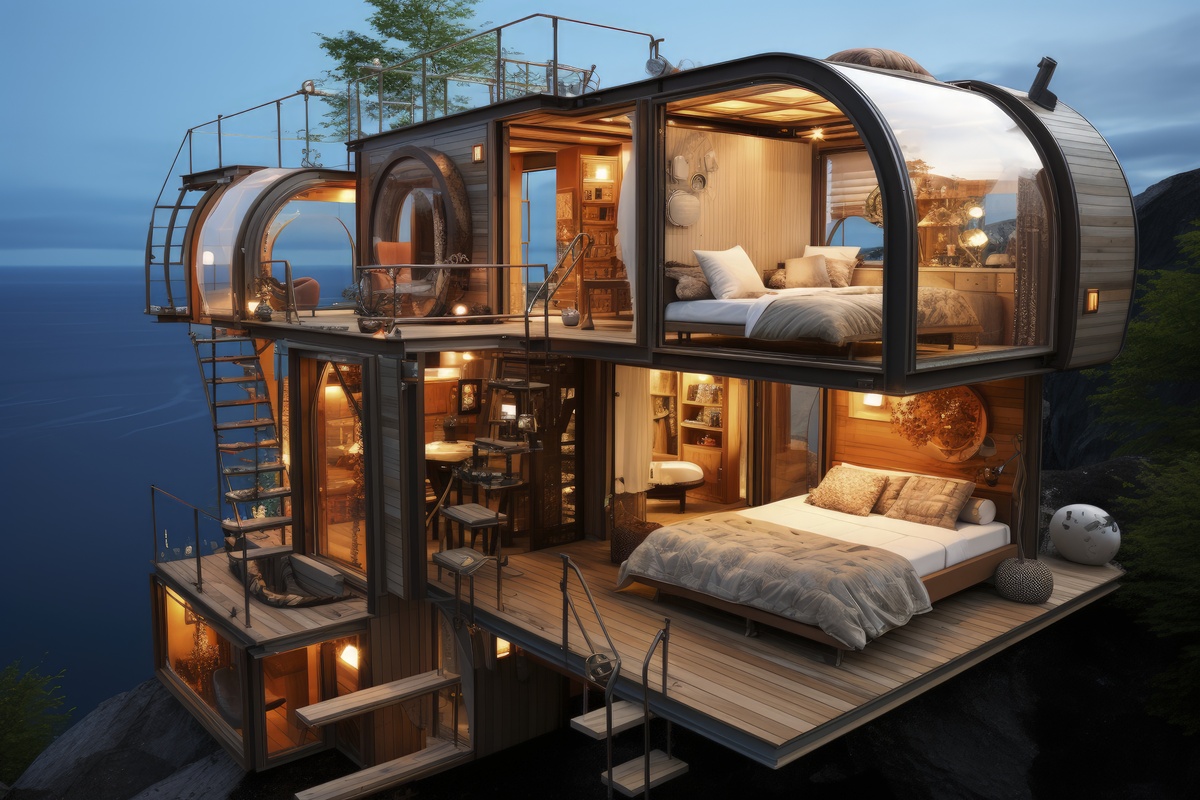
Housing Trends 2026: Compact, Smart, and Energy-Efficient Homes
As urbanization accelerates and environmental awareness grows, housing preferences continue to evolve. By 2026, home design is expected to focus on practicality, technology, and sustainability. The most prominent trends shaping future residences are compact living, smart home integration, and energy efficiency a combination driven by lifestyle changes, rising costs, and climate concerns.
1. The Rise of Compact Homes
Space is becoming a luxury, especially in metropolitan areas. Compact homes also known as micro or small-footprint housing are designed to maximize every square meter without compromising comfort. These homes feature: Multi-functional furniture (foldable desks, sofa beds, storage stairs), Open-layout interiors to create a spacious illusion, Minimalist design for clutter-free living. Compact homes appeal to young professionals, small families, and investors seeking affordable and low-maintenance properties. The goal is not just smaller living, but smarter space planning.
2. Smart Homes as a Standard
Technology is no longer an add-on it's becoming a necessity. In 2026, smart home systems are expected to be a default feature rather than a premium upgrade. Key smart integrations include: AI-powered home assistants, Automated lighting, security, and temperature control, Smart appliances that adjust usage based on habits, Remote monitoring through mobile applications. These innovations offer convenience, improve safety, and help homeowners monitor energy consumption more efficiently.
3. Energy-Efficient and Eco-Friendly Living
Sustainability takes center stage as households aim to reduce carbon footprints and electricity costs. Energy-efficient homes in 2026 will commonly adopt: Solar panels and renewable power sources, LED lighting and motion-sensor systems, High-insulation walls and eco-friendly materials, Water-saving fixtures and smart irrigation, Energy-monitoring dashboards. Homes built with sustainability in mind not only benefit the environment but also increase long-term property value and significantly cut utility expenses.
4. Design that Supports Wellness and Productivity
Post-pandemic lifestyles have reshaped how people use their homes. The 2026 housing trend also emphasizes: Dedicated work-from-home spaces, Improved indoor air quality systems, Natural lighting and greenery (biophilic design), Quiet zones for mental wellness. Homes are becoming hybrid spaces for work, rest, and recreation, pushing architects to design environments that support well-being and productivity.
5. Cost-Conscious and Low-Impact Housing
With global economic fluctuations, homeowners are prioritizing cost-effective solutions such as: Lower construction and operational costs, Durable materials requiring less maintenance, Reduced energy dependency, smaller land usage with efficient design. This trend aligns perfectly with the concept of compact and energy-saving residences.
Housing in 2026 is shifting toward a future where homes are compact in size, smart in function, and efficient in energy use. These trends reflect a world that values convenience, affordability, and sustainability. As technology advances and environmental priorities rise, tomorrow’s homes will not just shelter us they will adapt to us, protect the planet, and reduce living costs at the same time.
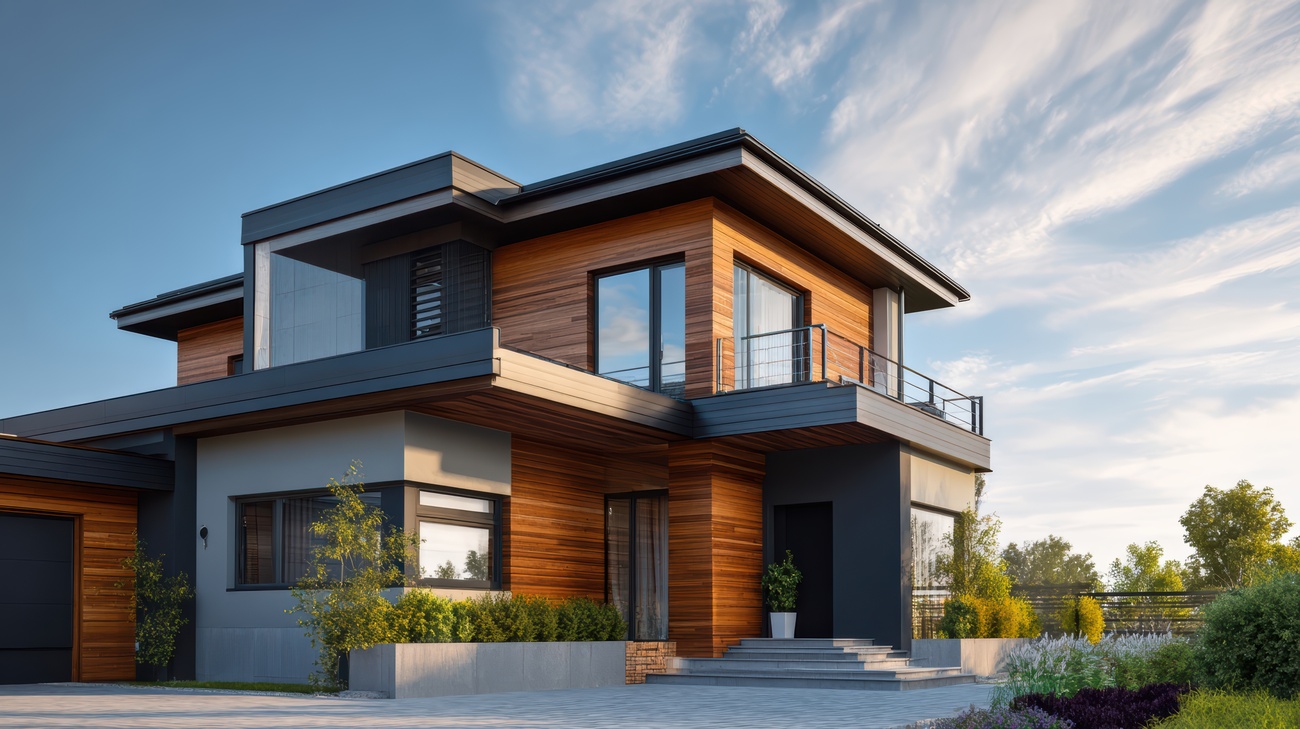
Date: May 16, 2026
Buying a home is one of the most significant financial and emotional decisions a person can make. For many buyers, the process can feel overwhelming due to the wide range of options, financial considerations, and long-term implications. As a property professional, your role is not just to sell but t ...
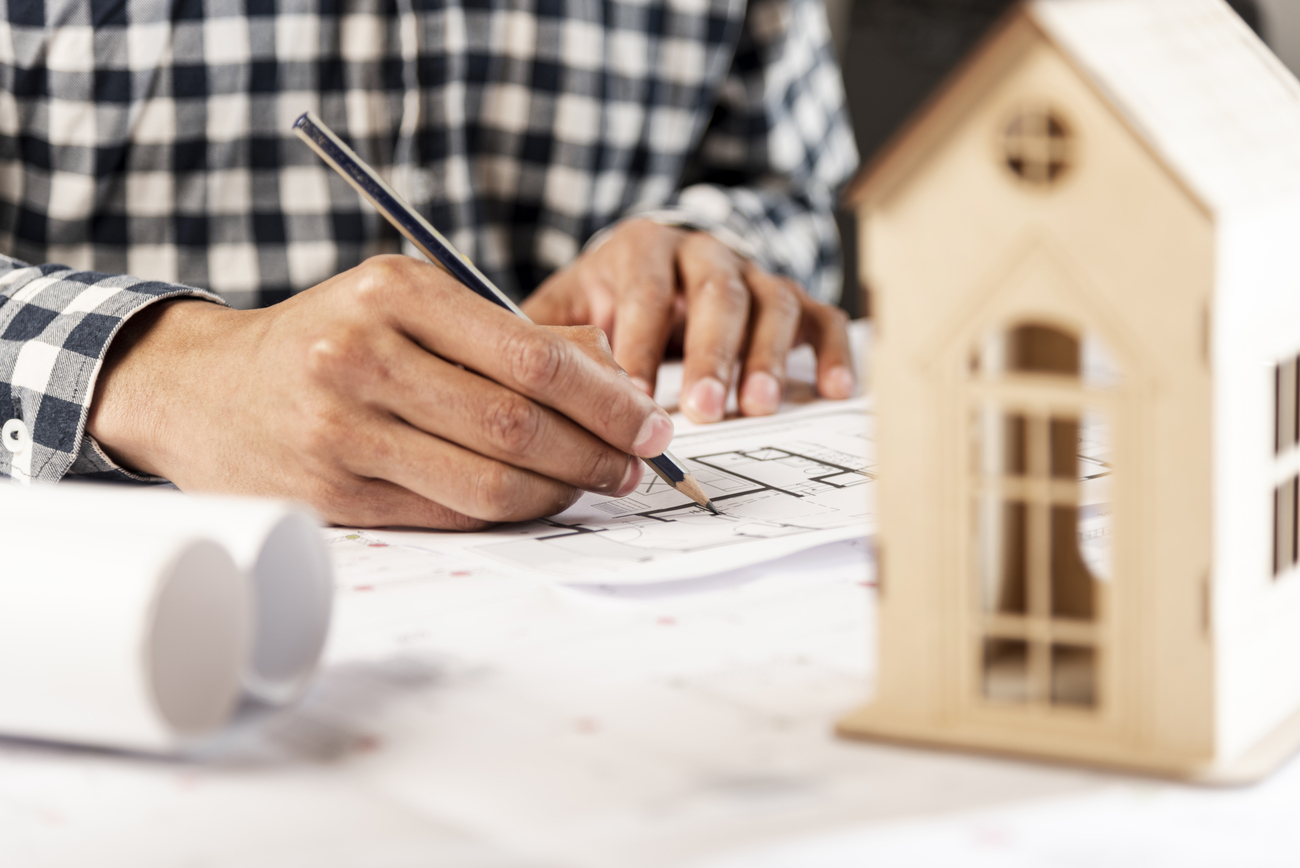
Date: May 17, 2026
Buying your first property is an exciting milestone, but it can also be overwhelming. Many first-time buyers make avoidable mistakes that can lead to financial stress, regret, or missed opportunities. Understanding these common pitfalls can help you make smarter, more confident decisions. 1. Not ...

Date: May 18, 2026
In recent years, there has been a noticeable increase in the number of property buyers shifting their focus from city centers to suburban and peripheral areas. This trend is driven by a combination of economic, social, and technological factors that are reshaping how people choose where to live. ...

Date: May 19, 2026
In today’s competitive and information-rich marketplace, transparency has become a key factor in influencing consumer decisions. Buyers are no longer satisfied with vague claims or incomplete information they expect honesty, clarity, and openness from the brands they choose. Transparency is not ju ...
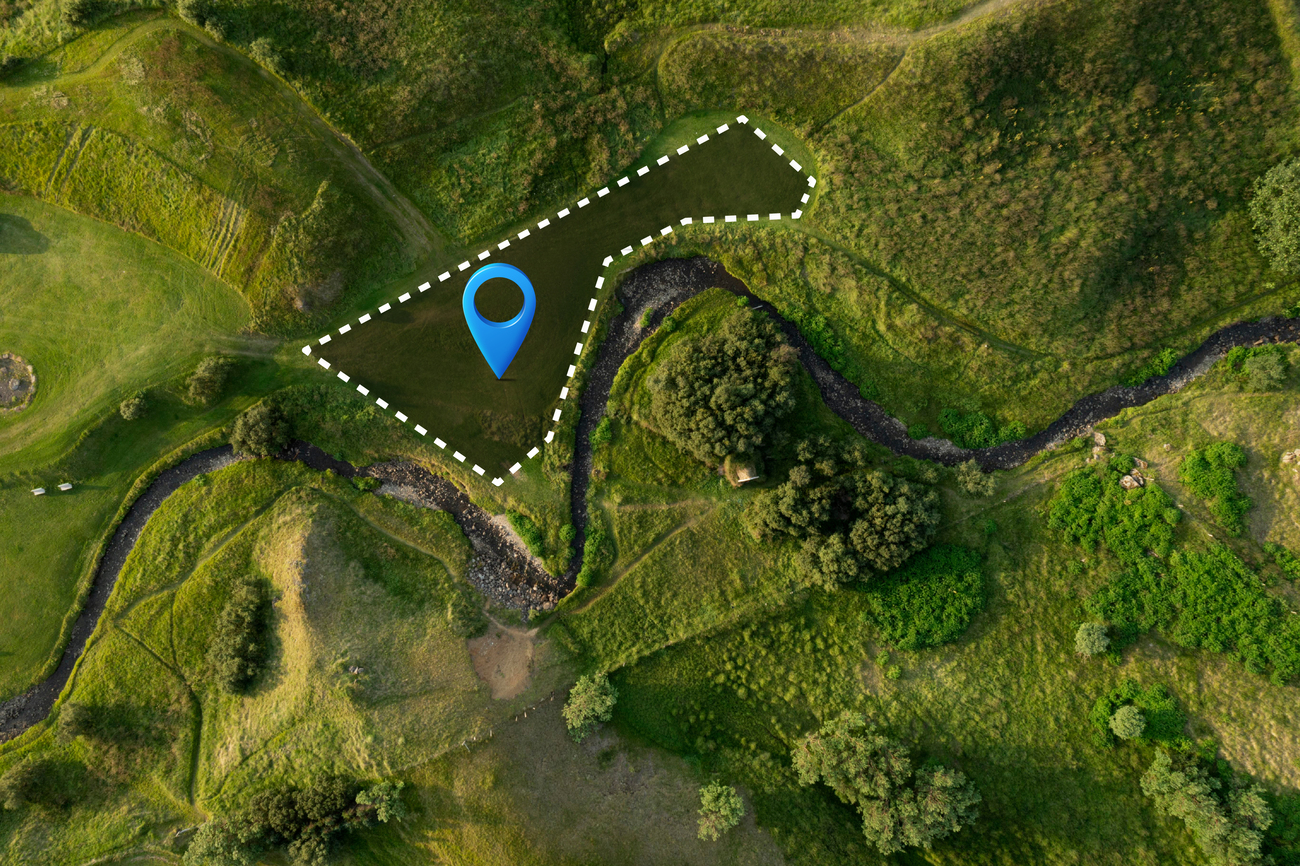
Date: May 20, 2026
Buying a land plot (often referred to as kavling in Indonesia) is widely seen as a promising investment. Land tends to appreciate over time, offers flexibility for future development, and is often considered more stable than other property types. However, despite these advantages, many potential buy ...
Ala Land Bali — a magical place for the real you
BECOME PART OF THE HISTORY Share your contact details, and our manager will reach out
with full project details