

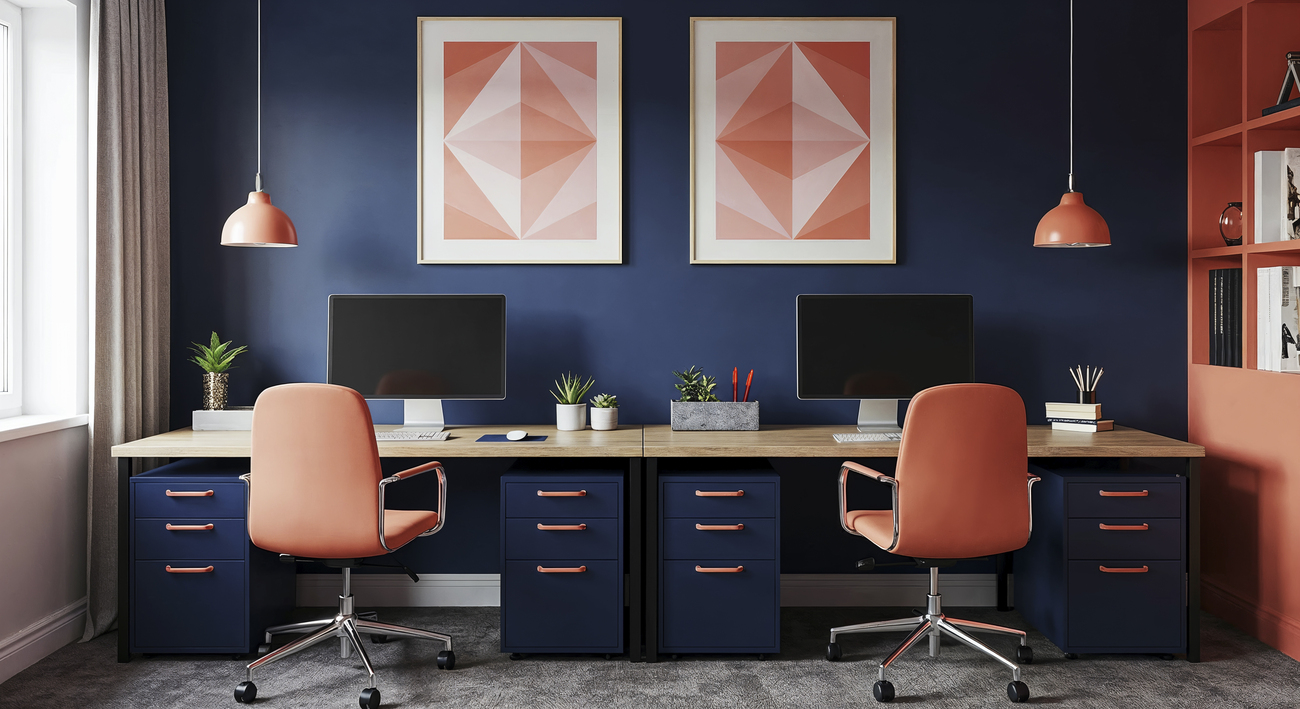
Lifestyle Changes: The Rise of Multifunctional Homes
In recent years, the way people live, work, and interact within their homes has undergone a significant transformation. Driven by technological advancements, remote work trends, and evolving family dynamics, the concept of a home is no longer limited to a place for rest. Today, homes are expected to serve multiple purposes, giving rise to the growing popularity of multifunctional living spaces.
The Shift in Modern Living
The traditional separation between work, leisure, and rest has blurred. With more people working remotely or running businesses from home, living spaces must adapt to accommodate these new demands. A house is now expected to function as an office, a gym, a classroom, and even a relaxation retreat all in one.
This shift has encouraged homeowners and designers to rethink layouts and prioritize flexibility. Instead of dedicating rooms to a single purpose, spaces are now designed to serve multiple functions efficiently.
Smart Design for Maximum Functionality
Multifunctional homes rely heavily on smart design solutions. Furniture plays a crucial role in maximizing space. For example, foldable desks, sofa beds, and extendable dining tables allow rooms to transform easily based on daily needs.
Open floor plans are also becoming more popular, as they provide greater flexibility. Movable partitions or sliding doors can create temporary privacy without permanently dividing the space. This adaptability is especially important in smaller homes or urban apartments where space is limited.
Technology Integration
Technology has become a key enabler of multifunctional living. Smart home systems allow homeowners to control lighting, temperature, and even room configurations with ease. For instance, adjustable lighting can turn a workspace into a cozy relaxation area within seconds.
Additionally, high-speed internet and digital tools have made it easier to work, study, and entertain from home. This integration supports the seamless transition between different activities throughout the day.
Benefits of Multifunctional Homes
One of the main advantages of multifunctional homes is efficiency. By making the most of available space, homeowners can reduce clutter and improve organization. This leads to a more comfortable and productive living environment.
Cost savings are another benefit. Instead of investing in larger properties, individuals can optimize smaller spaces to meet their needs. This is particularly relevant in cities where property prices are high.
Moreover, multifunctional homes promote a more sustainable lifestyle. Efficient use of space often means fewer resources are needed for construction, maintenance, and energy consumption.
Challenges to Consider
Despite the benefits, designing a multifunctional home comes with challenges. It requires careful planning to ensure that spaces remain practical and not overcrowded. Balancing aesthetics with functionality can also be difficult.
Privacy is another concern, especially in households with multiple occupants. Creating designated zones within shared spaces becomes essential to maintain comfort and productivity.
The Future of Home Living
As lifestyles continue to evolve, multifunctional homes are likely to become the standard rather than the exception. Architects and interior designers are increasingly focusing on flexible, adaptive designs that cater to changing needs.
In the future, homes will not just be places to live they will be dynamic environments that support every aspect of daily life. The rise of multifunctional homes reflects a broader shift toward smarter, more efficient, and more adaptable living.
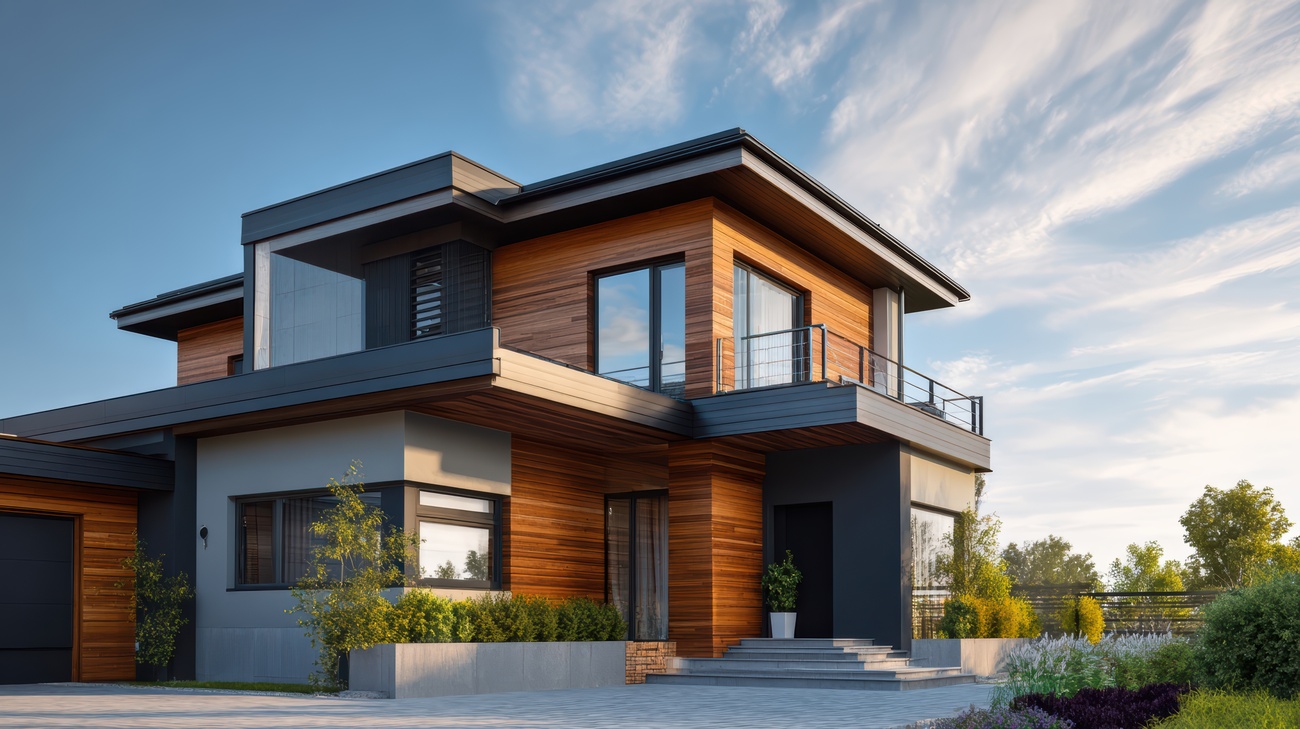
Date: May 16, 2026
Buying a home is one of the most significant financial and emotional decisions a person can make. For many buyers, the process can feel overwhelming due to the wide range of options, financial considerations, and long-term implications. As a property professional, your role is not just to sell but t ...

Date: May 17, 2026
Buying your first property is an exciting milestone, but it can also be overwhelming. Many first-time buyers make avoidable mistakes that can lead to financial stress, regret, or missed opportunities. Understanding these common pitfalls can help you make smarter, more confident decisions. 1. Not ...

Date: May 18, 2026
In recent years, there has been a noticeable increase in the number of property buyers shifting their focus from city centers to suburban and peripheral areas. This trend is driven by a combination of economic, social, and technological factors that are reshaping how people choose where to live. ...

Date: May 19, 2026
In today’s competitive and information-rich marketplace, transparency has become a key factor in influencing consumer decisions. Buyers are no longer satisfied with vague claims or incomplete information they expect honesty, clarity, and openness from the brands they choose. Transparency is not ju ...

Date: May 20, 2026
Buying a land plot (often referred to as kavling in Indonesia) is widely seen as a promising investment. Land tends to appreciate over time, offers flexibility for future development, and is often considered more stable than other property types. However, despite these advantages, many potential buy ...
Ala Land Bali — a magical place for the real you
BECOME PART OF THE HISTORY Share your contact details, and our manager will reach out
with full project details