


Prospects of the Real Estate Industry in Indonesia: Trends, Challenges, and Opportunities Towards 2026
The Indonesian real estate sector is entering a dynamic phase as it approaches 2026. With accelerating urbanization, government infrastructure investment, and digital transformation, the property industry is poised for significant shifts. However, along with rising demand come structural challenges that require strategic solutions.
2. Key Trends
a. Strong Urbanization and Demographic Shifts
Indonesia’s rapid urbanization is fueling demand for residential and commercial property, particularly in major cities like Jakarta, Surabaya, and Bandung. The expanding middle class, with rising disposable incomes, is supporting sustained demand for quality housing and mixed-use developments. There is also growing demand for affordable housing, as the government continues to push programs targeting first-time homebuyers.
b. Infrastructure-Led Growth
Massive infrastructure investments are enhancing connectivity between urban and suburban areas, making peripheral and satellite cities more attractive for development. Transit-Oriented Development (TOD) is gaining traction: properties near mass transit hubs (MRT, LRT, BRT) are expected to appreciate faster. The logistics and industrial real estate segment is expected to grow, driven by the expansion of e-commerce and a China+1 manufacturing relocation strategy.
c. Prop Tech and Digitalization
Adoption of Prop Tech is accelerating, with virtual property tours, online marketplaces, and blockchain-based transactions becoming more common. Digital tools are streamlining operations, improving transparency, and making real estate more accessible to buyers and investors. Hybrid work models are reducing demand for traditional offices, giving rise to flexible workspaces and co-working hubs.
d. Build-to-Rent (BTR) and Flexible Use Models
More developers are moving toward build-to-rent schemes, particularly targeting younger generations who favor long-term rentals over ownership. Mixed-use developments (“live-work-play”) are becoming more popular, integrating residential, commercial, and public spaces to meet modern lifestyle needs.
e. Sustainability and Green Buildings
Environmental awareness is rising, pushing developers to invest in green, energy-efficient buildings. Sustainable construction and ESG (Environmental, Social, Governance) principles are starting to influence real estate projects.
3. Challenges Facing the Industry
a. Regulatory and Land Acquisition Hurdles
Complex land acquisition processes and bureaucratic permitting remain a major obstacle for developers. Regulatory uncertainty, especially around zoning and property rights, can delay projects and increase costs.
b. Oversupply Risks
There is a risk of oversupply in the mid-market residential segment, particularly in Jakarta and Surabaya, which could lead to price stagnation or decline. The luxury condominium segment in major cities is also under pressure, with inventory outpacing absorption in certain premium markets.
c. Financial and Macro Risks
Interest rate volatility poses a financial risk: a reversal in rates could erode property affordability. Currency fluctuations (especially the rupiah) could deter foreign investment and affect purchasing power. Economic volatility, including global shocks, could undermine investor confidence and slow real estate demand.
d. Infrastructure Implementation Risk
While infrastructure plans are ambitious, delays in execution could undermine property development in targeted zones. There is also a risk that rising land speculation around infrastructure corridors may inflate costs unsustainably.
e. Environmental and Climate Risks
Some regions are exposed to natural disasters such as flooding; without climate-resilient design, long-term demand could weaken. Pressure to adopt greener construction methods may raise development costs in the short term.
4. Opportunities
a. Expansion in Emerging Regions
Secondary cities and suburban areas (e.g., satellite cities around Jakarta) represent a growing opportunity due to lower land costs and rising demand. The development of strategic economic zones (such as in Kalimantan) offers new greenfield opportunities.
b. Affordable Housing Initiatives
Continued government support, through subsidies and targeted housing programs, could bridge the housing backlog (estimated in millions of units). Innovative housing finance models (e.g., via public-private partnerships) and modular construction could reduce costs.
c. Institutional and Foreign Investment
Foreign capital is increasingly flowing into the Indonesian property sector, especially for logistics, data centers, and mixed-use developments. Institutional investors may favor build-to-rent models as a long-term stable income asset.
d. Prop Tech and Digital Innovation
Prop Tech presents opportunities for cost reduction, improved transparency, and enhanced customer experience. Virtual tours, online sales platforms, and data analytics can help developers better understand buyer preferences and accelerate transactions.
e. Green and ESG-Compliant Buildings
Demand for sustainable buildings can create a premium market niche, particularly among eco-conscious buyers. ESG-aligned projects may also attract impact investors and international funds focused on sustainability.
5. Strategic Implications for Stakeholders
Developers should diversify their portfolios by balancing affordable housing, build-to-rent, and mixed-use projects to mitigate risk. Investors need to carefully evaluate macroeconomic risks (currency, interest rates) and target resilient sub-sectors (industrial, BTR, Prop Tech). Government should continue streamlining regulatory processes, facilitating land acquisition, and promoting green building practices. Financial institutions can scale up mortgage financing for low-to-middle income segments, aided by policy support. Prop Tech startups can leverage the rapid digital adoption to innovate in sales, management, and financing platforms.
6. Outlook to 2026 and Beyond
By 2026, the Indonesian property market is expected to remain robust, underpinned by urbanization, infrastructure investment, and digital transformation. However, the path forward will require managing oversupply risk, macroeconomic volatility, and regulatory bottlenecks. With the right strategic alignment, the sector offers meaningful growth potential particularly in affordable housing, build-to-rent, and green developments. Long-term success in the real estate market will likely favor stakeholders who are agile, sustainability-conscious, and deeply attuned to evolving consumer and technological trends.

Date: May 16, 2026
Buying a home is one of the most significant financial and emotional decisions a person can make. For many buyers, the process can feel overwhelming due to the wide range of options, financial considerations, and long-term implications. As a property professional, your role is not just to sell but t ...

Date: May 17, 2026
Buying your first property is an exciting milestone, but it can also be overwhelming. Many first-time buyers make avoidable mistakes that can lead to financial stress, regret, or missed opportunities. Understanding these common pitfalls can help you make smarter, more confident decisions. 1. Not ...

Date: May 18, 2026
In recent years, there has been a noticeable increase in the number of property buyers shifting their focus from city centers to suburban and peripheral areas. This trend is driven by a combination of economic, social, and technological factors that are reshaping how people choose where to live. ...

Date: May 19, 2026
In today’s competitive and information-rich marketplace, transparency has become a key factor in influencing consumer decisions. Buyers are no longer satisfied with vague claims or incomplete information they expect honesty, clarity, and openness from the brands they choose. Transparency is not ju ...
Date: May 20, 2026
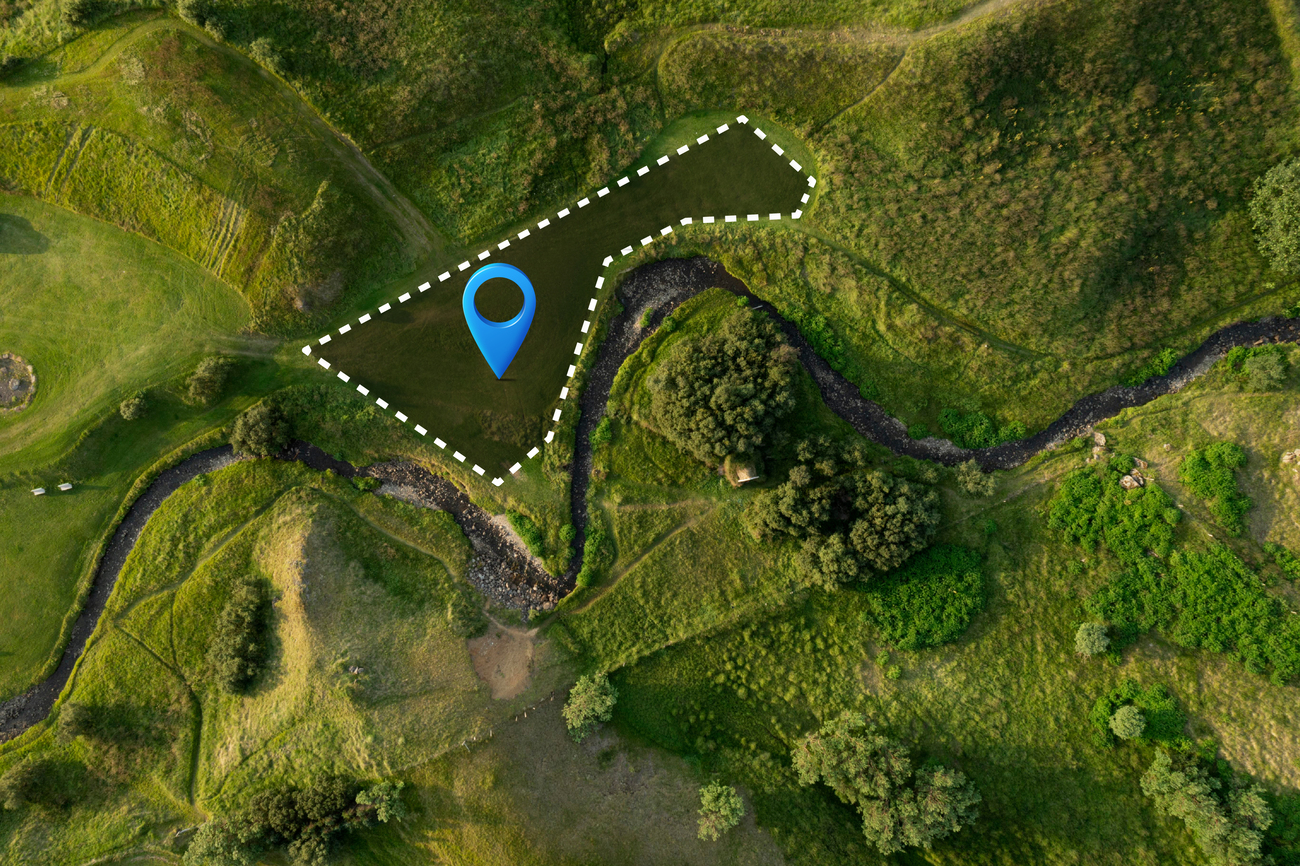
Buying a land plot (often referred to as kavling in Indonesia) is widely seen as a promising investment. Land tends to appreciate over time, offers flexibility for future development, and is often considered more stable than other property types. However, despite these advantages, many potential buy ...
Ala Land Bali — a magical place for the real you
BECOME PART OF THE HISTORY Share your contact details, and our manager will reach out
with full project details