

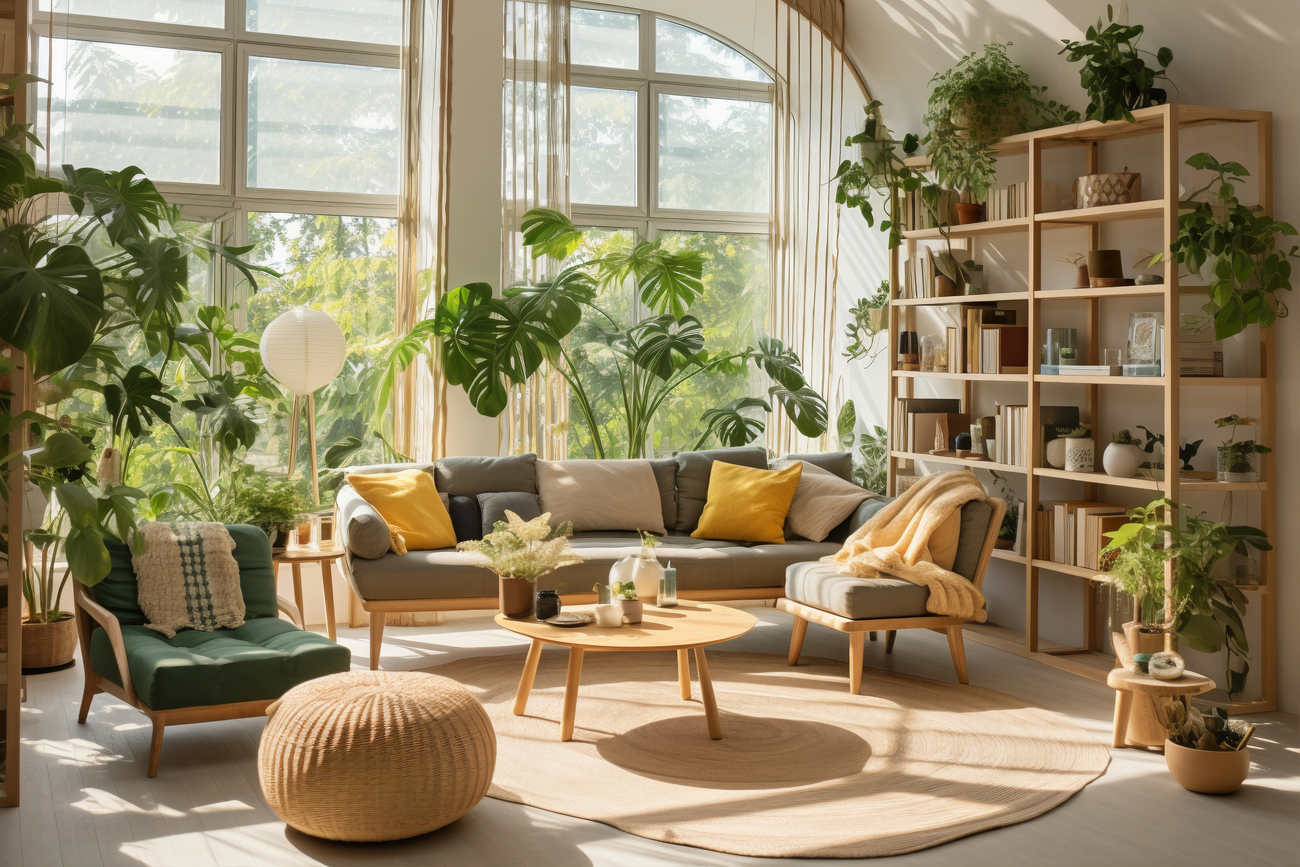
The Architecture of the Future: Adaptive Design for Tropical Climates
As climate change continues to intensify, architectural design in tropical regions is undergoing a crucial transformation. No longer focused solely on aesthetics or grandeur, the architecture of the future emphasizes adaptability, sustainability, and harmony with nature. In tropical countries where heat, humidity, and heavy rainfall dominate adaptive design is not a luxury; it’s a necessity.
1. Designing for Climate, Not Against It
Traditional tropical architecture has long provided valuable lessons wide eaves, high ceilings, and natural ventilation are all elements designed to work with the environment rather than against it. The future of tropical design builds upon these principles but integrates them with modern technologies such as automated shading systems, smart materials that regulate heat, and sensors that adjust ventilation based on humidity levels.
2. The Rise of Passive Cooling
Energy-efficient buildings are the cornerstone of sustainable tropical architecture. Instead of relying on air conditioning, passive cooling systems are becoming increasingly popular. This includes the strategic placement of windows for cross-ventilation, the use of natural materials such as bamboo or clay that absorb less heat, and green roofs or vertical gardens that reduce the building’s surface temperature.
3. Materials that Breathe
The choice of material plays a pivotal role in future architecture. Locally sourced materials like coconut wood, bamboo, and recycled timber are gaining renewed attention for their ability to “breathe” and adapt to humidity. Hybrid materials that combine natural fibers with modern composites also help reduce carbon footprints while enhancing durability in extreme tropical conditions.
4. Water as a Design Element
In tropical zones where rainfall can be both abundant and unpredictable, water-sensitive design is key. Future architects are designing rainwater harvesting systems, permeable pavements, and landscape layouts that prevent flooding while creating beautiful, functional spaces. Water features such as ponds and reflective pools are not just aesthetic; they also help cool surrounding air naturally.
5. The Smart Tropical Home
Technology will play a critical role in making tropical homes more responsive. Smart systems can adjust lighting, temperature, and air circulation in real time based on weather conditions. Solar panels combined with battery storage can provide reliable power even during monsoon seasons, while modular structures allow buildings to be expanded or reconfigured easily in response to environmental or social changes.
6. Blending Indoors and Outdoors
Future tropical design continues to blur the boundaries between interior and exterior spaces. Open courtyards, sliding walls, and semi-outdoor living areas encourage natural airflow and reduce the need for artificial cooling. This design philosophy not only promotes sustainability but also supports a lifestyle more connected to nature something increasingly valued in urban tropical environments.
7. Towards a Resilient Future
Adaptive tropical architecture represents a shift from rigid, energy-intensive buildings to resilient, living structures. It’s about creating homes and cities that can endure and evolve with the planet’s changing climate. By integrating tradition, innovation, and ecological awareness, the architecture of the future promises a more comfortable, sustainable, and harmonious life in the tropics.

Date: June 14, 2026
The property industry is one of the most dynamic and rewarding sectors in the global economy. As urbanization continues and demand for residential, commercial, and investment properties grows, the role of property sales professionals becomes increasingly important. A career in property sales offers ...

Date: June 15, 2026
In the highly competitive real estate industry, success is not solely determined by market knowledge or sales skills. One of the most important factors that contribute to long-term growth is the ability to build strong networks and meaningful relationships. Whether you are a real estate agent, prope ...

Date: June 12, 2026
Understanding What Drives Property Values in Indonesia. Indonesia's property market has experienced significant growth over the past decades, driven by economic development, urbanization, and increasing demand for residential and commercial real estate. Whether you are a homebuyer, investor, develop ...

Date: June 13, 2026
The property market offers a wide range of investment opportunities, but one of the most common questions among buyers and investors is whether primary or secondary property provides better returns. Understanding the differences between these two types of properties is essential for making informed ...

Date: June 09, 2026
The real estate industry in 2026 is entering a new phase of normalization after years of rapid growth, market volatility, and changing buyer behavior. While demand remains strong in many regions, buyers have become more selective, affordability remains a key concern, and digital transformation conti ...
Ala Land Bali — a magical place for the real you
BECOME PART OF THE HISTORY Share your contact details, and our manager will reach out
with full project details