
The Concept of Green Building in Urban Areas
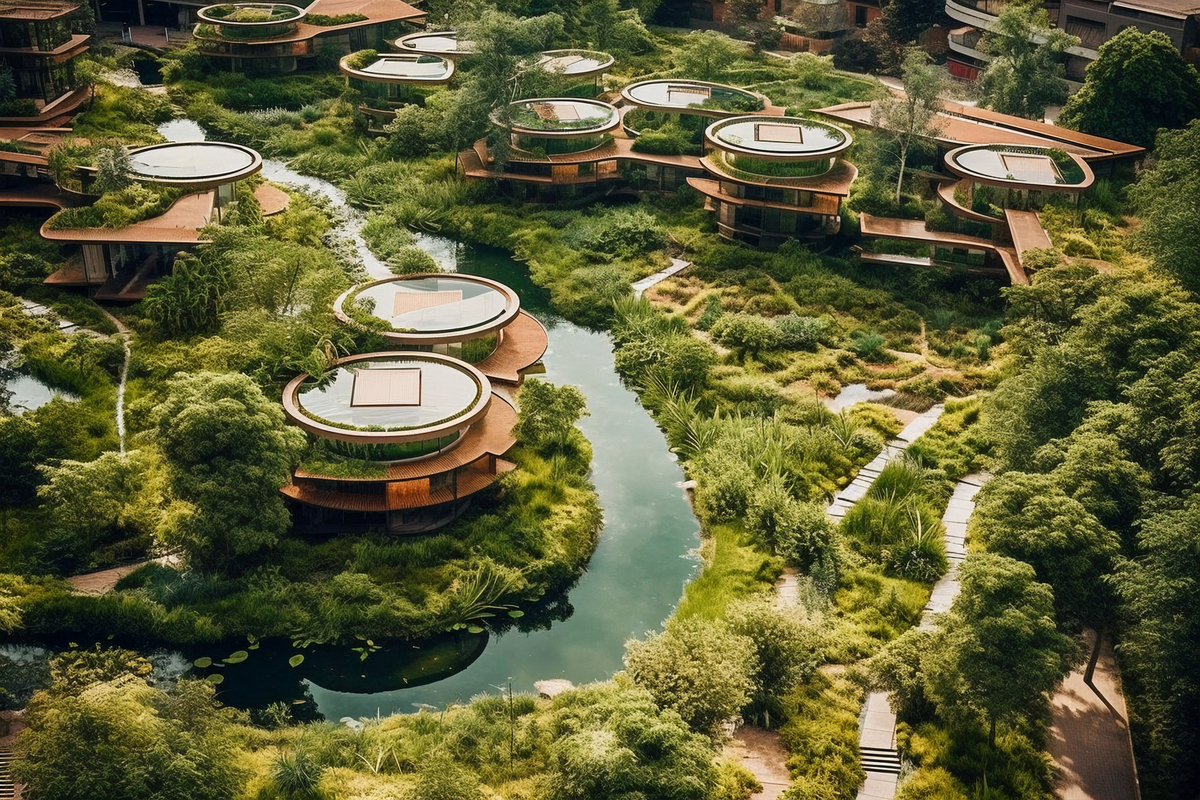
As cities continue to expand and urban populations grow, the demand for sustainable and eco-friendly development has become increasingly urgent. One solution that has gained global attention is the concept of green building a design and construction approach that minimizes environmental impact while improving the quality of life for its occupants.
What is a Green Building?
A green building is more than just an energy-efficient structure. It incorporates strategies that reduce waste, optimize natural resources, and create healthier indoor environments. Key principles include:
Energy efficiency through smart systems, insulation, and renewable energy sources.
Water conservation with rainwater harvesting, greywater recycling, and low-flow fixtures.
Sustainable materials such as recycled, locally sourced, or non-toxic building products.
Healthy indoor environments that promote natural ventilation, daylight, and better air quality.
Waste reduction during construction and throughout the building’s lifecycle.
Why Green Buildings Matter in Urban Areas
Urban areas face unique challenges such as air pollution, limited land, high energy demand, and rising temperatures caused by the urban heat island effect. Implementing green building concepts in cities can:
Reduce carbon emissions and reliance on fossil fuels.
Lower operational costs for residents and businesses.
Improve public health through cleaner air and safer living spaces.
Contribute to climate resilience by managing stormwater and reducing urban flooding.
Enhance property values and attract environmentally conscious investors.
Examples of Green Building Strategies in Cities
Vertical gardens and green roofs to reduce heat absorption and improve air quality.
Smart building technologies that monitor energy use and optimize efficiency.
Mixed-use developments that encourage walking and reduce transportation emissions.
Integration of public green spaces to balance dense construction with natural areas.
The Future of Green Buildings in Urban Development
Governments, architects, and developers are increasingly adopting green certifications such as LEED, BREEAM, or EDGE to ensure sustainable building practices. As sustainability becomes both a necessity and a market demand, urban green buildings will no longer be a niche trend but a standard in modern city planning.
In conclusion, the concept of green building is a vital response to the environmental and social challenges of urbanization. By investing in sustainable design and construction, cities can create healthier, more efficient, and more resilient communities for the future.
Date: May 16, 2026
Buying a home is one of the most significant financial and emotional decisions a person can make. For many buyers, the process can feel overwhelming due to the wide range of options, financial considerations, and long-term implications. As a property professional, your role is not just to sell but t ...
Date: May 17, 2026
Buying your first property is an exciting milestone, but it can also be overwhelming. Many first-time buyers make avoidable mistakes that can lead to financial stress, regret, or missed opportunities. Understanding these common pitfalls can help you make smarter, more confident decisions. 1. Not ...
Date: May 18, 2026
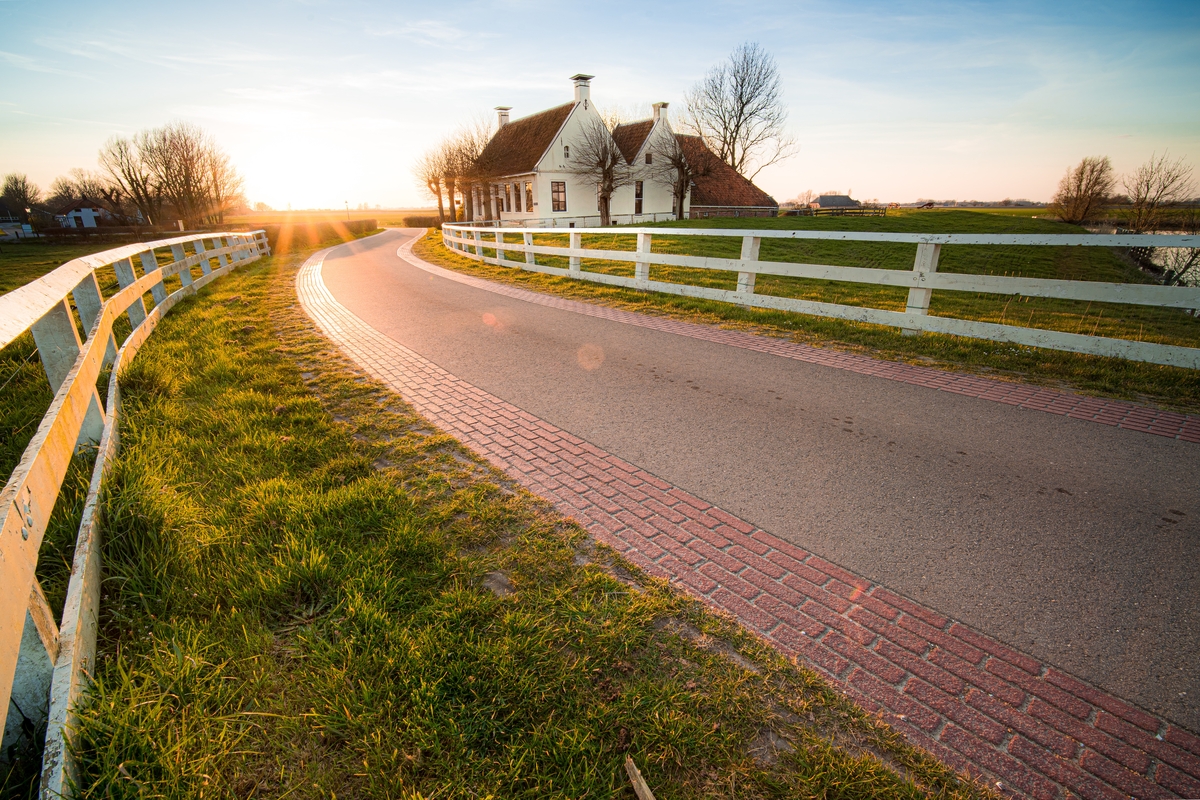
In recent years, there has been a noticeable increase in the number of property buyers shifting their focus from city centers to suburban and peripheral areas. This trend is driven by a combination of economic, social, and technological factors that are reshaping how people choose where to live. ...
Date: May 19, 2026
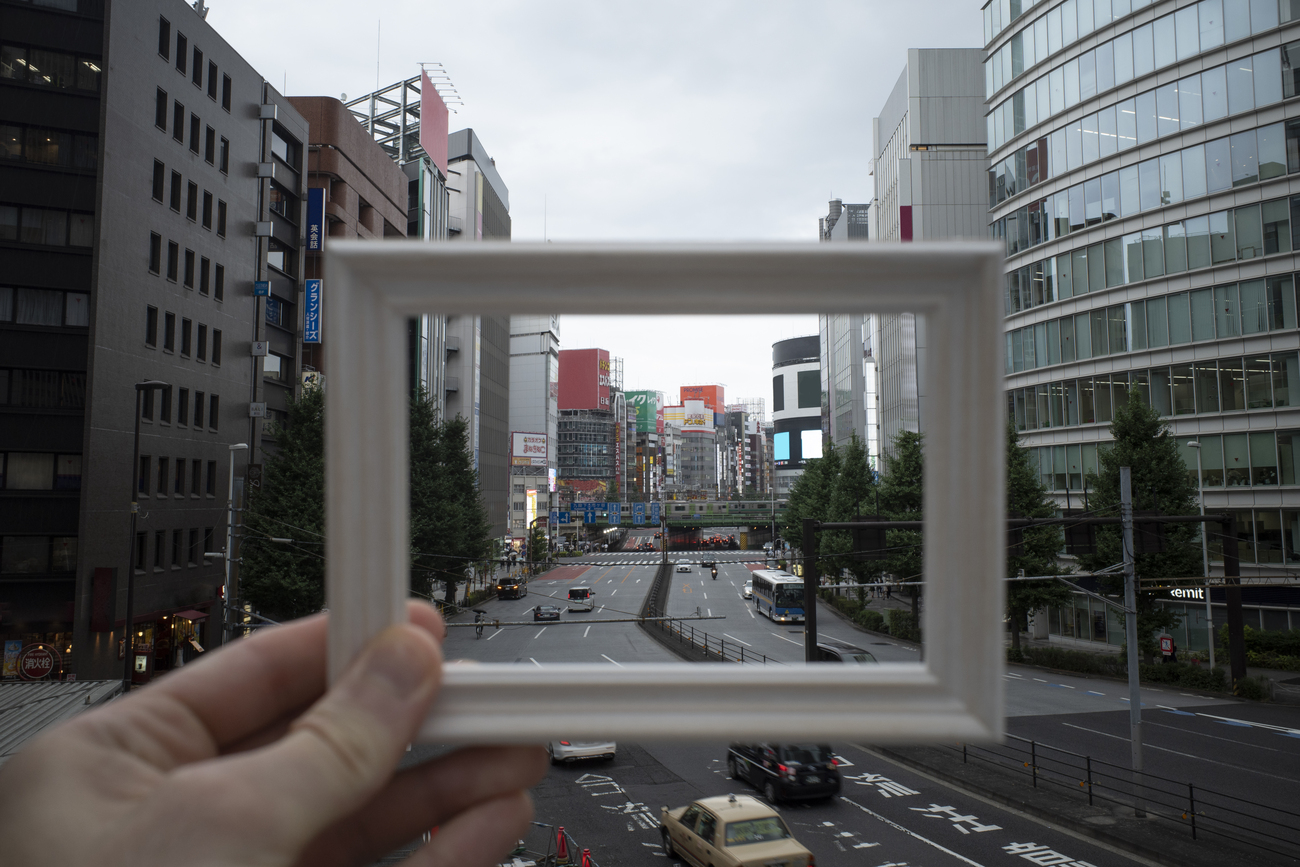
In today’s competitive and information-rich marketplace, transparency has become a key factor in influencing consumer decisions. Buyers are no longer satisfied with vague claims or incomplete information they expect honesty, clarity, and openness from the brands they choose. Transparency is not ju ...
Date: May 20, 2026
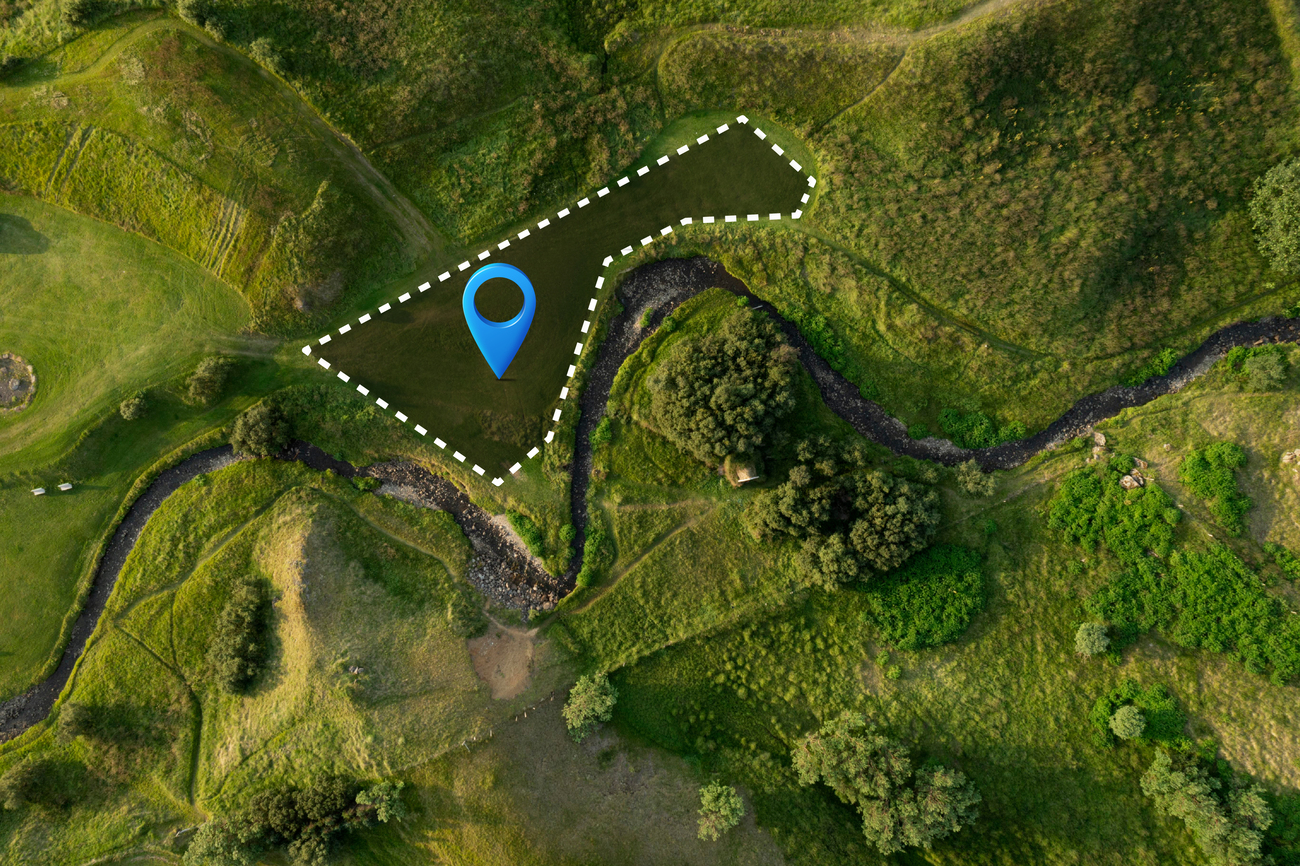
Buying a land plot (often referred to as kavling in Indonesia) is widely seen as a promising investment. Land tends to appreciate over time, offers flexibility for future development, and is often considered more stable than other property types. However, despite these advantages, many potential buy ...
Ala Land Bali — a magical place for the real you
BECOME PART OF THE HISTORY Share your contact details, and our manager will reach out
with full project details