

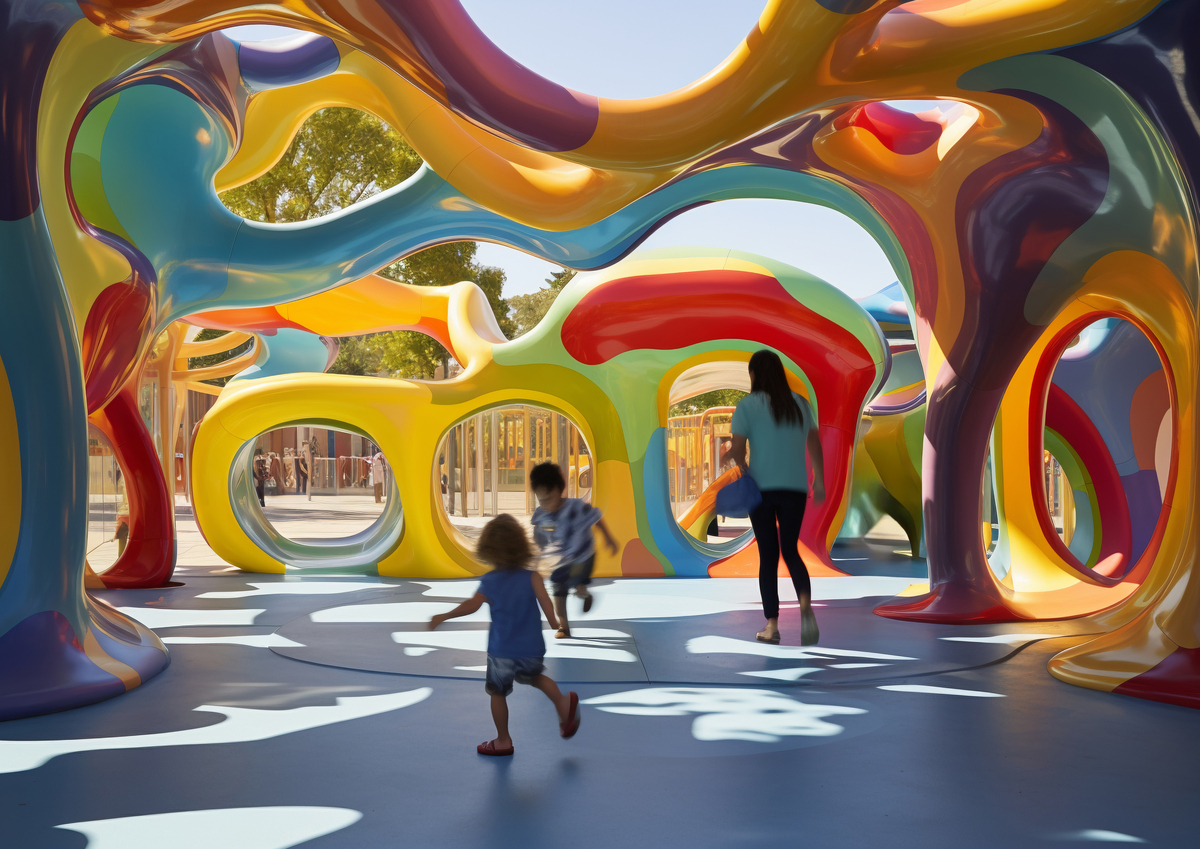
Tips for Building a Child-Safe Entertainment Property
Creating an entertainment property whether it’s a family recreation center, indoor playground, kid-friendly café, or outdoor amusement area requires thoughtful planning to ensure safety, comfort, and fun for children. Parents and guardians look for spaces where their kids can play freely without unnecessary risks. To meet these expectations, developers and property owners must prioritize child-friendly design, robust safety measures, and proper maintenance. Below are key tips to help you build an entertainment property that is both enjoyable and safe for children.
1. Design Spaces with Age-Appropriate Zones
Children of different ages have different physical abilities and safety needs. Create separate zones for: toddlers (soft play areas, padded floors), young children (slides, ball pits, climbing nets), older children (obstacle courses, arcade games), this prevents older, more energetic children from accidentally injuring younger ones.
2. Use High-Quality, Non-Toxic Materials
All surfaces, play equipment, and furnishings should be made from: non-toxic materials, hypoallergenic coatings, soft or rounded edges, durable, impact-absorbing flooring such as rubber mats or EVA foam, these reduce risks of injuries and protect children’s health.
3. Ensure Excellent Visibility for Supervision
Parents and staff should be able to easily observe children. Achieve this by: using open layouts without blind spots, installing transparent barriers rather than solid walls, providing elevated supervision points for staff, ensuring adequate lighting in all areas, clear visibility helps prevent accidents and enables quick response.
4. Implement Strong Safety and Hygiene Features
A safe entertainment venue also means a clean and well-maintained one. Consider: regular sanitization routines, handwashing stations and child-height sinks, anti-slip flooring, proper ventilation, secure electrical outlets and wiring, regular maintenance checks on play structures. These measures help prevent injuries and promote a healthy environment.
5. Install Safety Signage and Clear Rules
Children and parents need guidance on safe use of play facilities. Provide: clear safety signs at each play zone, illustrated instructions for young children, visible emergency exits, height and age restrictions for certain equipment, this ensures users know the rules and behave safely.
6. Prioritize Emergency Preparedness
Safety planning should include emergency procedures such as: fire alarms and extinguishers, first-aid kits at accessible locations, trained staff certified in basic first aid, clearly marked evacuation routes, CCTV monitoring in public areas, being prepared helps prevent small issues from becoming serious incidents.
7. Create Comfortable Spaces for Parents and Guardians
Safety also involves comfort and convenience. Provide: seating areas with good visibility, nursing rooms or baby-changing facilities, sheltered outdoor areas for sun and rain protection, easy stroller access and storage. When adults are comfortable, they can better supervise their children.
8. Conduct Regular Risk Assessments
Risks change over time as equipment ages and usage patterns shift. Schedule: monthly inspections, annual structural evaluations, customer feedback reviews, updates to safety protocols when necessary. This ensures consistent quality and long-term safety.
Building a child-safe entertainment property requires a balance between fun and security. By incorporating thoughtful design, age-appropriate features, strong supervision systems, and consistent maintenance, you create a space where families feel confident and children can enjoy themselves safely. An environment that prioritizes children’s well-being not only protects visitors but also strengthens your reputation and business viability.

Date: May 16, 2026
Buying a home is one of the most significant financial and emotional decisions a person can make. For many buyers, the process can feel overwhelming due to the wide range of options, financial considerations, and long-term implications. As a property professional, your role is not just to sell but t ...
Date: May 17, 2026
Buying your first property is an exciting milestone, but it can also be overwhelming. Many first-time buyers make avoidable mistakes that can lead to financial stress, regret, or missed opportunities. Understanding these common pitfalls can help you make smarter, more confident decisions. 1. Not ...
Date: May 18, 2026
In recent years, there has been a noticeable increase in the number of property buyers shifting their focus from city centers to suburban and peripheral areas. This trend is driven by a combination of economic, social, and technological factors that are reshaping how people choose where to live. ...

Date: May 19, 2026
In today’s competitive and information-rich marketplace, transparency has become a key factor in influencing consumer decisions. Buyers are no longer satisfied with vague claims or incomplete information they expect honesty, clarity, and openness from the brands they choose. Transparency is not ju ...
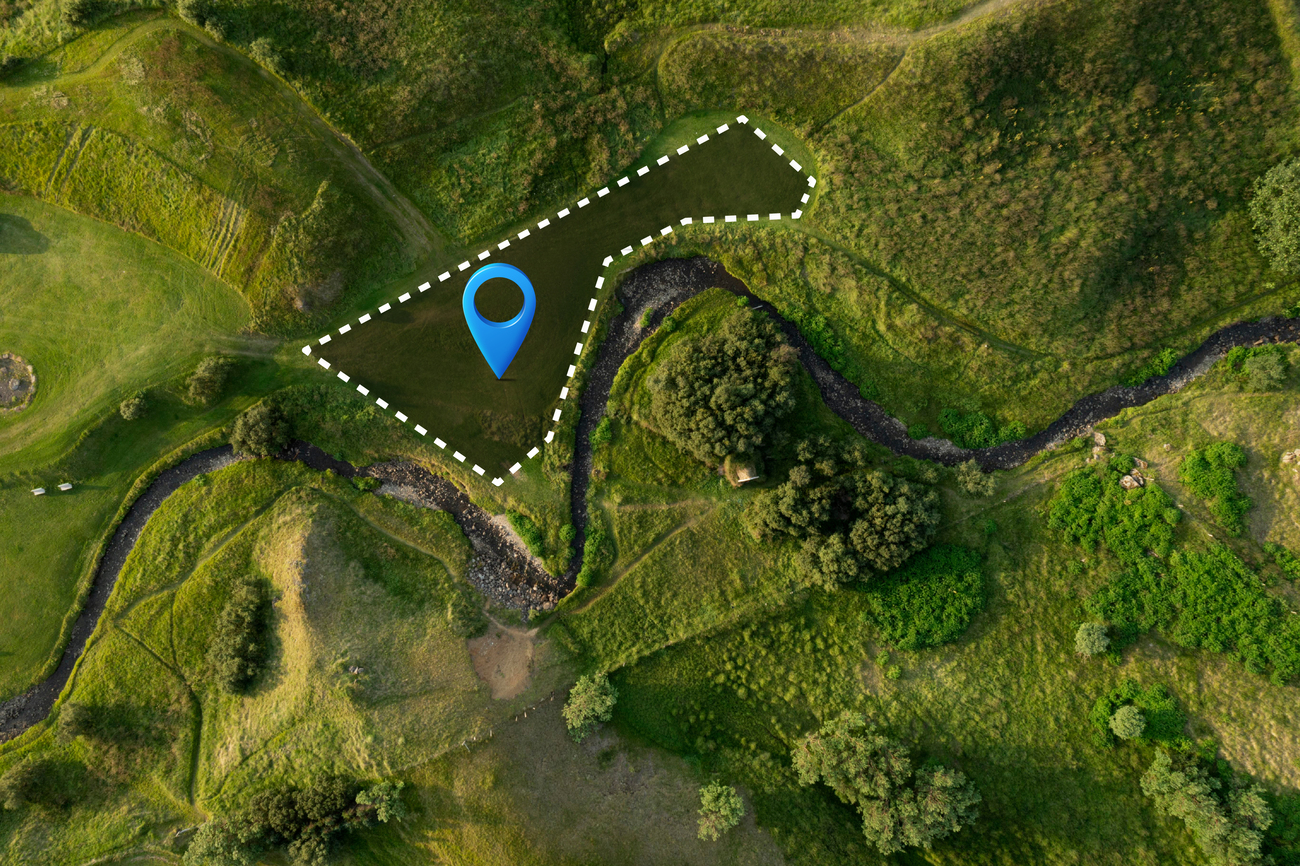
Date: May 20, 2026
Buying a land plot (often referred to as kavling in Indonesia) is widely seen as a promising investment. Land tends to appreciate over time, offers flexibility for future development, and is often considered more stable than other property types. However, despite these advantages, many potential buy ...
Ala Land Bali — a magical place for the real you
BECOME PART OF THE HISTORY Share your contact details, and our manager will reach out
with full project details