

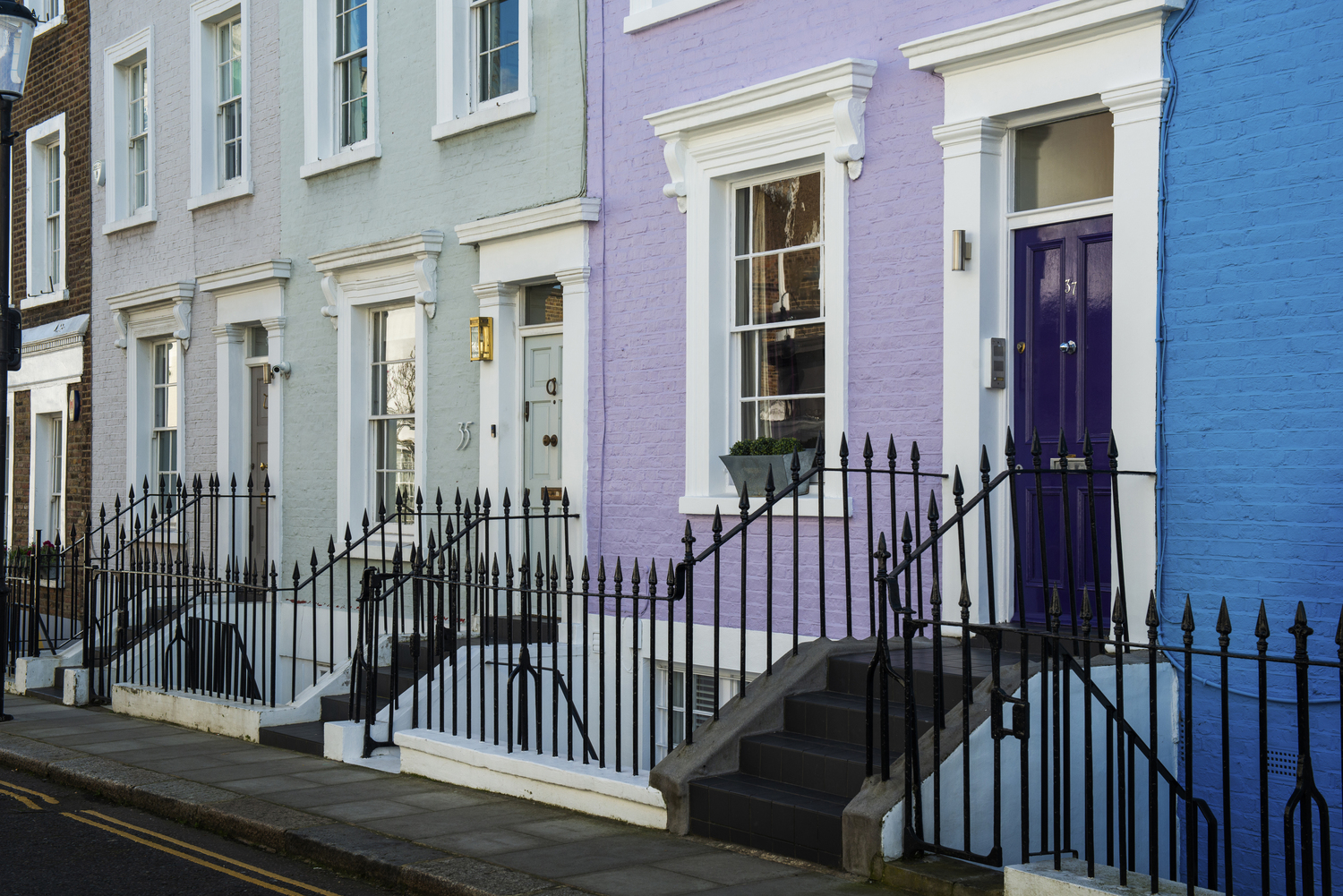
Tips for Building a Comfortable and Profitable Shophouse
Shophouses have become a popular choice in the property market, especially in urban areas. Their dual function as both a business and a residence make them attractive to investors and business owners alike. However, building a shophouse isn't something to be taken lightly. Careful planning is essential to ensure a functional, comfortable, and high-value investment.
1. Choose a Strategic Location
Location is the most important factor in building a shophouse. Ensure the shophouse is located in a high-traffic area, close to community centers, and easily accessible by vehicle. A strategic location will increase business opportunities and increase the shophouse's selling or rental value.
2. Plan a Functional Design
The design of a shophouse must accommodate its dual functions: business and residential. Some things to consider: The ground floor is for the business area, with a large open space. The upper floor is for living or storage. Good lighting and air circulation ensure a comfortable environment for both working and living.
3. Pay Attention to Legality and Permits
Before building, ensure the land has a building permit (IMB/PBG) for commercial use. Additionally, check the area's zoning regulations to ensure you don't violate spatial planning regulations. Clear legality will facilitate the sale or lease of your shophouse.
4. Use Quality Materials
Shophouses are typically used for long-term periods with high activity levels. Therefore, use building materials that are strong, durable, and easy to maintain. For example, scratch-resistant ceramic flooring, aluminum doors and windows, and weather-resistant exterior paint.
5. Prepare a Parking Area
Parking is often a major problem for shophouses. Provide sufficient parking space for both customers and residents. If space is limited, consider a vertical or semi-basement parking design.
6. Consider Accessibility and Security
A good shophouse should be easily accessible by pedestrians and vehicles. Furthermore, ensure it has a security system such as CCTV, rolling doors, and adequate outdoor lighting.
7. Design with a Flexible Concept
Business trends are always changing. Therefore, shophouse designs should be flexible so they can be easily adapted to various types of businesses, from shops and cafes to offices and clinics. This will increase the shophouse's appeal to future tenants and buyers.
8. Calculate Costs and Investment Potential
Building a shophouse is a long-term investment. Make detailed calculations of construction costs, potential rental profits, and projected land value increases. This will ensure your shophouse development is more focused and minimizes risk.
So, after considering all the factors above, building a shophouse requires a well-thought-out strategy, from site selection and design to legal aspects. When designed well, a shophouse becomes more than just a place of business, but also a property asset that can yield significant future profits.
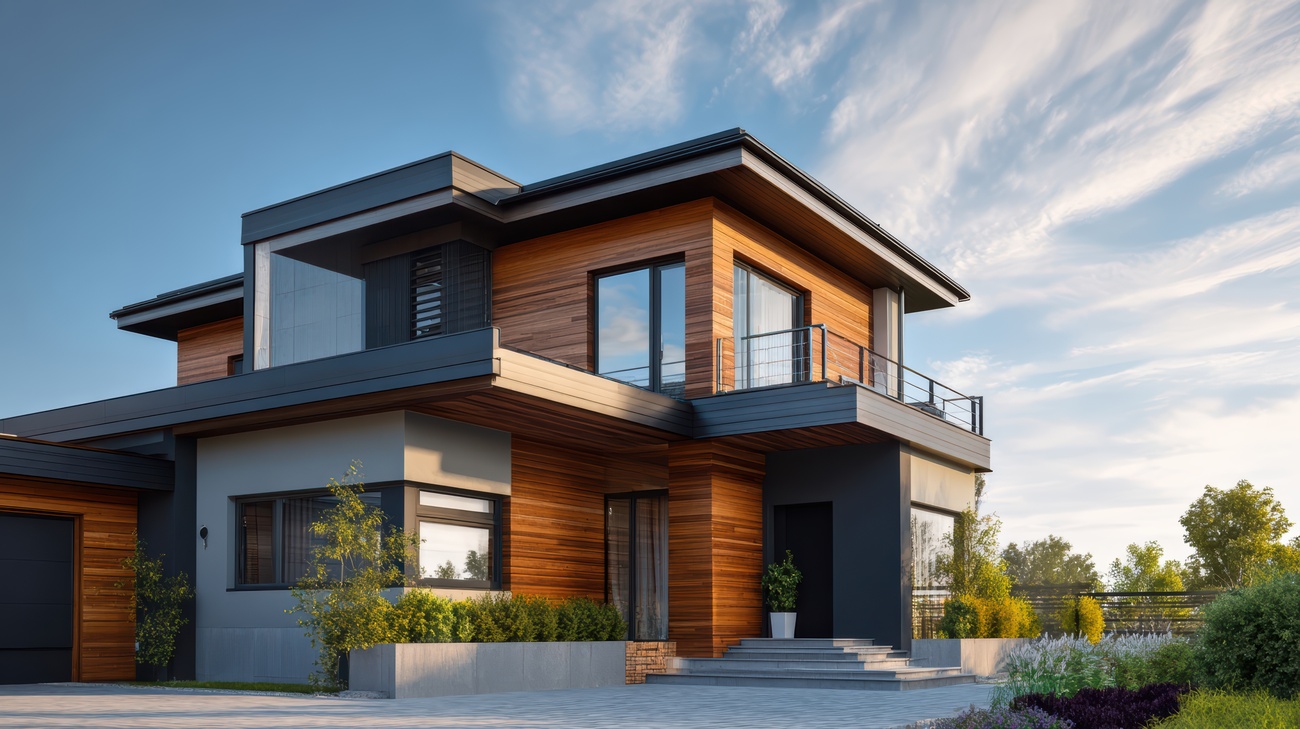
Date: May 16, 2026
Buying a home is one of the most significant financial and emotional decisions a person can make. For many buyers, the process can feel overwhelming due to the wide range of options, financial considerations, and long-term implications. As a property professional, your role is not just to sell but t ...
Date: May 17, 2026
Buying your first property is an exciting milestone, but it can also be overwhelming. Many first-time buyers make avoidable mistakes that can lead to financial stress, regret, or missed opportunities. Understanding these common pitfalls can help you make smarter, more confident decisions. 1. Not ...

Date: May 18, 2026
In recent years, there has been a noticeable increase in the number of property buyers shifting their focus from city centers to suburban and peripheral areas. This trend is driven by a combination of economic, social, and technological factors that are reshaping how people choose where to live. ...

Date: May 19, 2026
In today’s competitive and information-rich marketplace, transparency has become a key factor in influencing consumer decisions. Buyers are no longer satisfied with vague claims or incomplete information they expect honesty, clarity, and openness from the brands they choose. Transparency is not ju ...

Date: May 20, 2026
Buying a land plot (often referred to as kavling in Indonesia) is widely seen as a promising investment. Land tends to appreciate over time, offers flexibility for future development, and is often considered more stable than other property types. However, despite these advantages, many potential buy ...
Ala Land Bali — a magical place for the real you
BECOME PART OF THE HISTORY Share your contact details, and our manager will reach out
with full project details