

Tips for Building a Japanese-Style Villa
Japanese-style villas are admired worldwide for their simplicity, harmony with nature, and timeless elegance. Combining traditional design principles with modern functionality, a Japanese villa creates a serene environment perfect for relaxation and mindful living. If you’re planning to build one, here are some essential tips to consider:
1. Emphasize Natural Materials
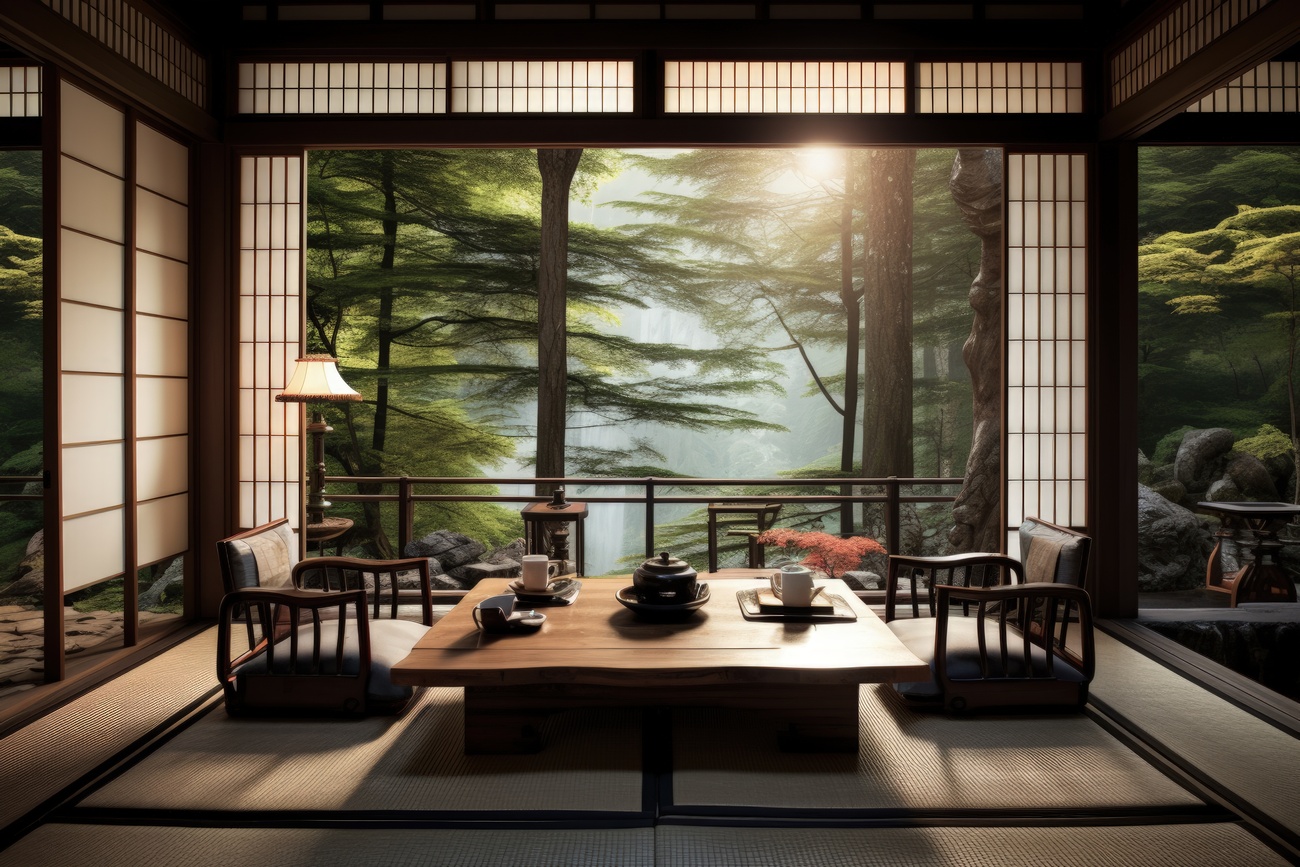
Japanese architecture highlights the use of wood, stone, bamboo, and paper. Choose natural, warm-toned wood for floors, walls, and ceilings. Incorporate stone elements for pathways, walls, or water features to bring a sense of earthiness.
2. Focus on Simplicity and Minimalism
Clean lines, uncluttered spaces, and functional layouts are at the heart of Japanese design. Avoid excessive decoration and instead focus on purposeful furniture and simple finishes. This minimalism enhances the feeling of calm and balance.
3. Integrate Sliding Doors (Shoji)
Shoji doors made of wood and translucent paper are a signature element of Japanese homes. They save space, allow natural light to filter softly, and create flexible room divisions that add to the villa’s functionality and aesthetics.
4. Create a Connection with Nature
Japanese villas are designed to blend seamlessly with the outdoors. Consider large windows, open courtyards, or indoor gardens. Adding a koi pond, bamboo grove, or bonsai trees can enhance the sense of tranquility and connection to nature.
5. Include a Zen Garden
A small rock garden or “Kare Sansui” with carefully arranged stones, sand, and plants provides a meditative space. It doesn’t require much maintenance but adds a powerful cultural and aesthetic touch to the villa.
6. Use Neutral and Earthy Colors
Option for a calming color palette inspired by nature shades of beige, cream, brown, and muted greens. These tones make the villa feel soothing and timeless.
7. Incorporate Tatami Rooms
Tatami mats are traditional Japanese flooring made from woven straw. Designing a tatami room for tea ceremonies, meditation, or relaxation adds authenticity and cultural richness to the villa.
8. Design for Balance and Flow
The Japanese philosophy of Ma emphasizes balance, emptiness, and the flow of space. Ensure that each room feels open, with good circulation and harmony between interior and exterior spaces.
9. Add a Relaxation Corner
Many Japanese villas feature spaces dedicated to wellness, such as an onsen-inspired bathroom or an outdoor soaking tub. This creates a spa-like experience that enhances the villa’s luxury and tranquility.
10. Blend Tradition with Modern Comfort
While staying true to Japanese design, don’t hesitate to integrate modern conveniences like underfloor heating, smart lighting, or sustainable energy solutions. The goal is to achieve harmony between tradition and contemporary living.
A Japanese-style villa is not just a house it is a sanctuary that embodies simplicity, mindfulness, and harmony with nature. By combining traditional elements with modern comforts, you can create a timeless retreat that promotes relaxation and well-being.
Date: May 16, 2026
Buying a home is one of the most significant financial and emotional decisions a person can make. For many buyers, the process can feel overwhelming due to the wide range of options, financial considerations, and long-term implications. As a property professional, your role is not just to sell but t ...

Date: May 17, 2026
Buying your first property is an exciting milestone, but it can also be overwhelming. Many first-time buyers make avoidable mistakes that can lead to financial stress, regret, or missed opportunities. Understanding these common pitfalls can help you make smarter, more confident decisions. 1. Not ...

Date: May 18, 2026
In recent years, there has been a noticeable increase in the number of property buyers shifting their focus from city centers to suburban and peripheral areas. This trend is driven by a combination of economic, social, and technological factors that are reshaping how people choose where to live. ...
Date: May 19, 2026
In today’s competitive and information-rich marketplace, transparency has become a key factor in influencing consumer decisions. Buyers are no longer satisfied with vague claims or incomplete information they expect honesty, clarity, and openness from the brands they choose. Transparency is not ju ...

Date: May 20, 2026
Buying a land plot (often referred to as kavling in Indonesia) is widely seen as a promising investment. Land tends to appreciate over time, offers flexibility for future development, and is often considered more stable than other property types. However, despite these advantages, many potential buy ...
Ala Land Bali — a magical place for the real you
BECOME PART OF THE HISTORY Share your contact details, and our manager will reach out
with full project details