


Tips for Building a Strong House in Disaster-Prone Areas
Building a home in an area that is vulnerable to natural disasters such as earthquakes, floods, or strong winds requires careful planning and the right construction strategies. A well-designed house not only provides comfort but also ensures safety for its occupants. Below are some essential tips for building a strong and resilient house in disaster-prone areas:
1. Choose the Right Location
Before starting construction, carefully evaluate the land and surrounding environment. Avoid areas too close to rivers, steep hills, or unstable ground. It is wise to consult with geologists or local authorities to ensure the land is safe and suitable for building.
2. Use Quality Building Materials
Strong materials are the foundation of a disaster-resistant house. Reinforced concrete, high-quality steel, and durable bricks are recommended. For wooden structures, use treated wood that is resistant to termites and moisture. Investing in reliable materials may cost more, but it provides long-term safety.
3. Apply Earthquake-Resistant Design
In earthquake-prone areas, the structural design should follow seismic building codes. This includes installing strong foundations, using flexible joints, and ensuring the load is evenly distributed. Simple shapes such as squares or rectangles are safer compared to complex designs.
4. Elevate the Structure in Flood-Prone Zones
If the area is often affected by floods, elevate the foundation above the highest recorded flood level. Proper drainage systems should also be installed around the house to prevent water from pooling.
5. Strengthen the Roof and Openings
Roofs are highly vulnerable during storms and high winds. Use lightweight but strong roofing materials and ensure they are securely fastened. Windows and doors should also be reinforced with durable frames and protective shutters if necessary.
6. Incorporate Ventilation and Emergency Exits
Good ventilation helps prevent dampness and mold after flooding. Additionally, provide easy-to-access emergency exits so that occupants can evacuate quickly in case of disaster.
7. Regular Maintenance and Inspection
Even a strong house can weaken over time without proper maintenance. Regularly check the foundation, roof, walls, and drainage systems. Immediate repair of cracks or leaks will prevent further damage during disasters.
8. Consult Professionals
Hire licensed architects and engineers who have experience in designing disaster-resistant buildings. Their expertise will ensure your house complies with local building regulations and safety standards.
Building a house in a disaster-prone area is not just about comfort, but about survival and safety. By choosing the right location, using strong materials, and applying disaster-resistant design, homeowners can significantly reduce risks and protect their families for years to come.

Date: May 16, 2026
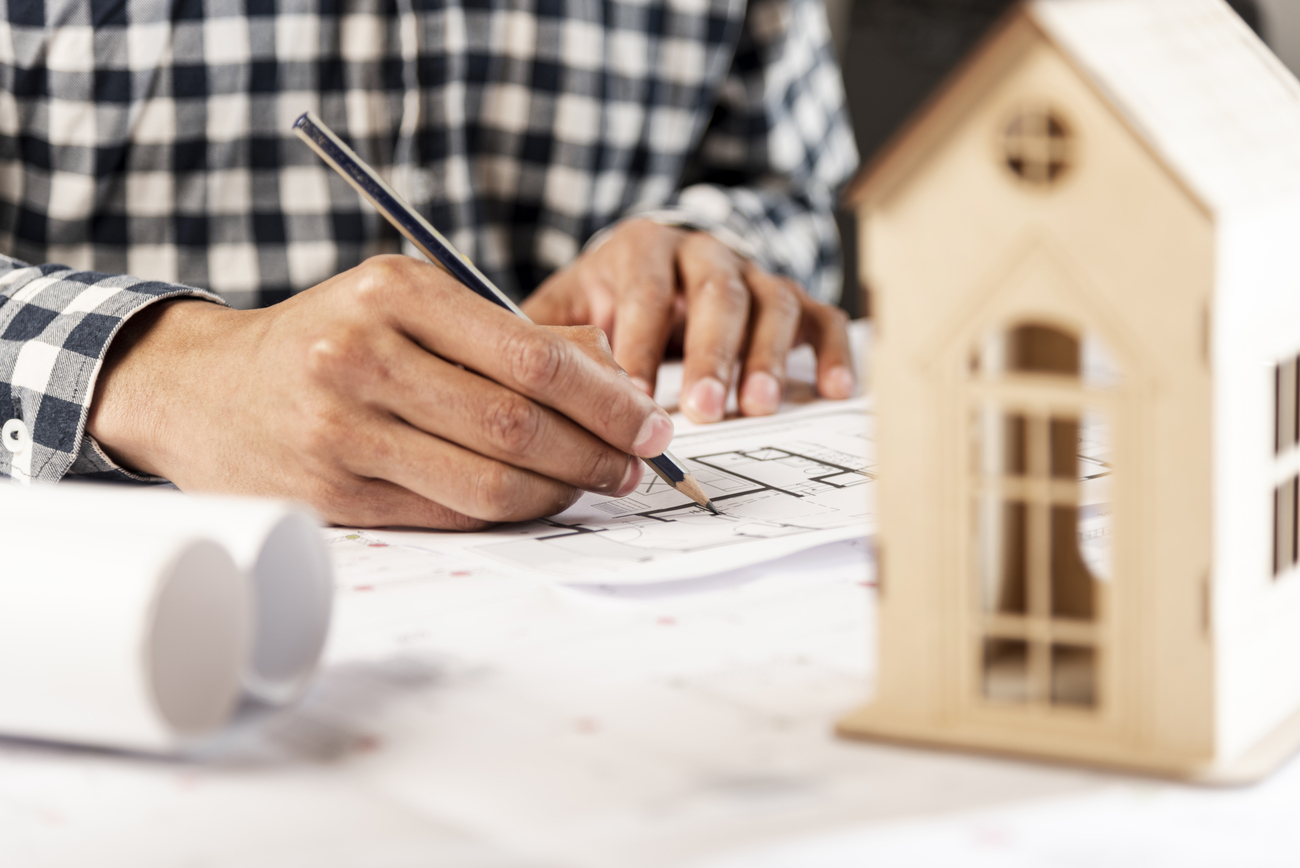
Buying a home is one of the most significant financial and emotional decisions a person can make. For many buyers, the process can feel overwhelming due to the wide range of options, financial considerations, and long-term implications. As a property professional, your role is not just to sell but t ...
Date: May 17, 2026
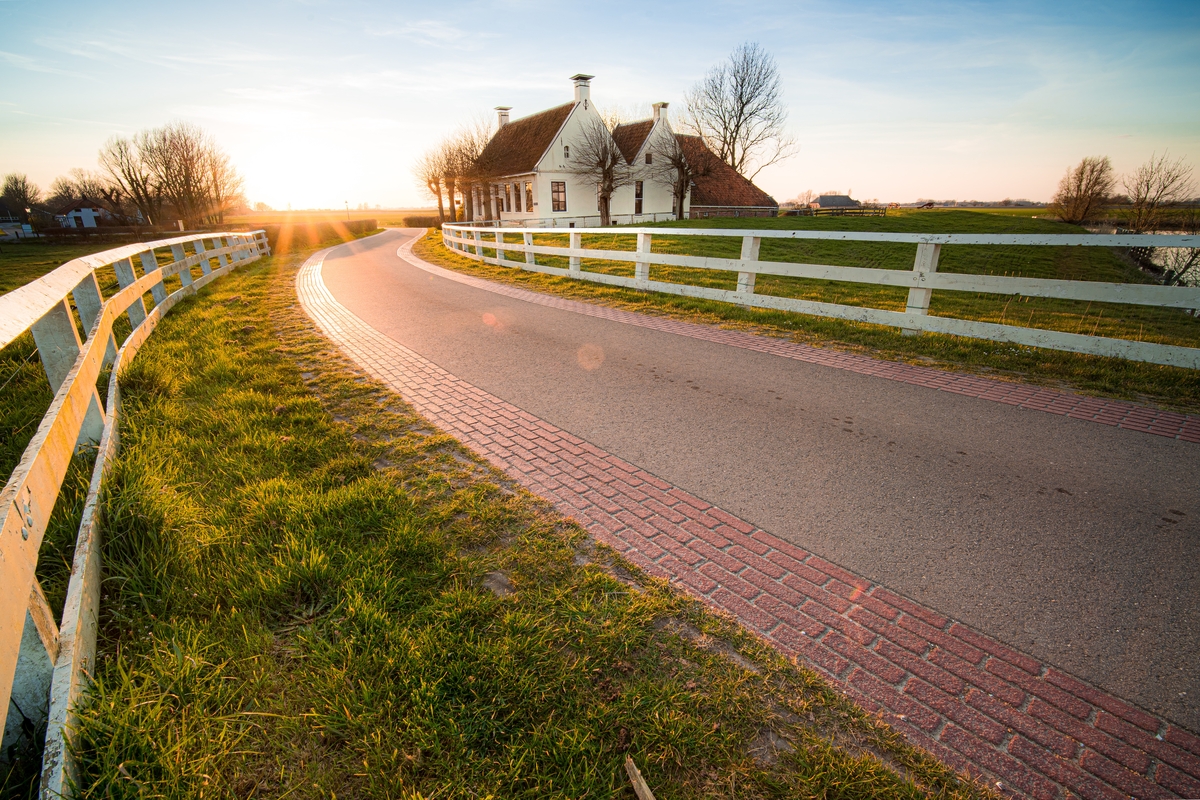
Buying your first property is an exciting milestone, but it can also be overwhelming. Many first-time buyers make avoidable mistakes that can lead to financial stress, regret, or missed opportunities. Understanding these common pitfalls can help you make smarter, more confident decisions. 1. Not ...
Date: May 18, 2026
In recent years, there has been a noticeable increase in the number of property buyers shifting their focus from city centers to suburban and peripheral areas. This trend is driven by a combination of economic, social, and technological factors that are reshaping how people choose where to live. ...

Date: May 19, 2026
In today’s competitive and information-rich marketplace, transparency has become a key factor in influencing consumer decisions. Buyers are no longer satisfied with vague claims or incomplete information they expect honesty, clarity, and openness from the brands they choose. Transparency is not ju ...
Date: May 20, 2026
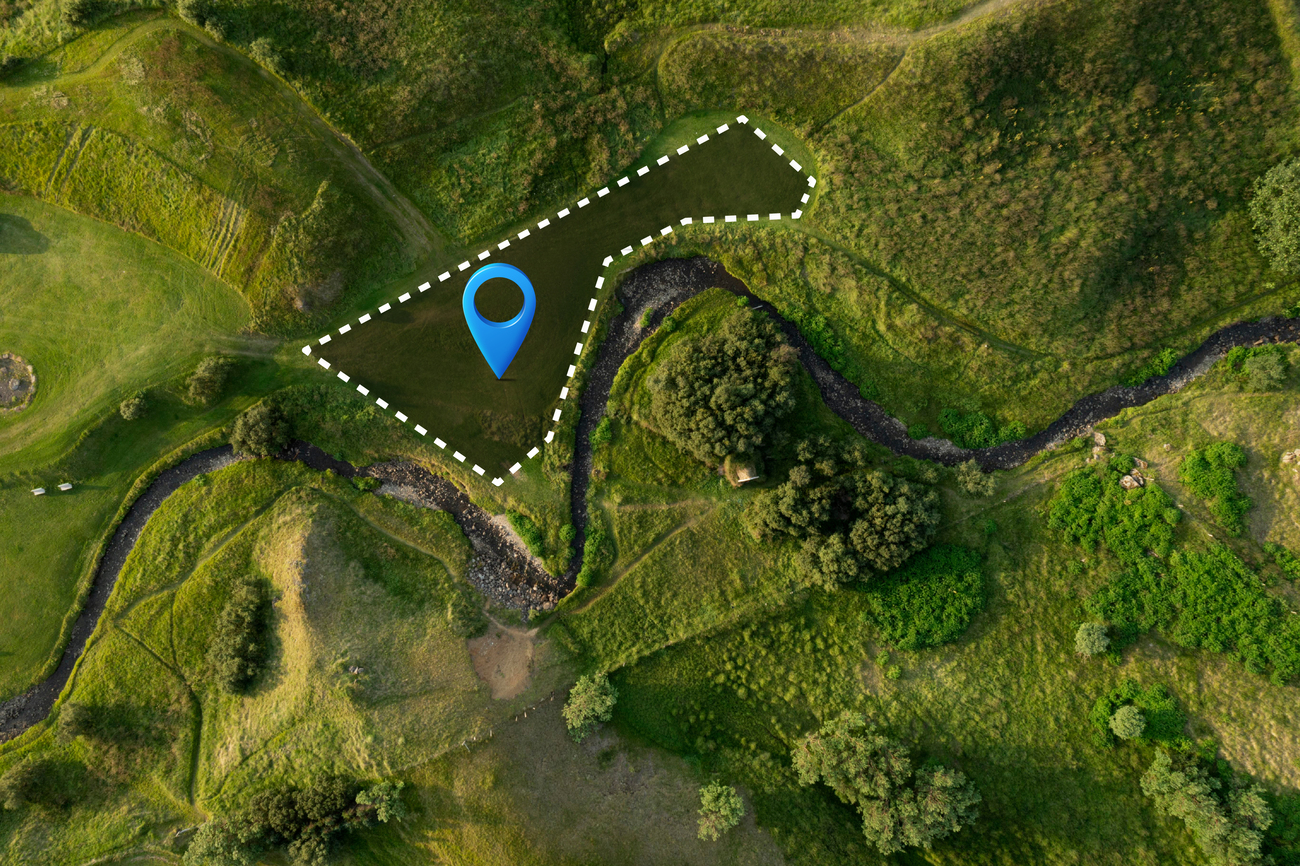
Buying a land plot (often referred to as kavling in Indonesia) is widely seen as a promising investment. Land tends to appreciate over time, offers flexibility for future development, and is often considered more stable than other property types. However, despite these advantages, many potential buy ...
Ala Land Bali — a magical place for the real you
BECOME PART OF THE HISTORY Share your contact details, and our manager will reach out
with full project details