


Tips for Building a Successful Waterpark
Building a waterpark is more than just creating a place for fun it’s about designing an experience that blends excitement, safety, and long-term profitability. Whether it’s a small community splash park or a large-scale destination resort, careful planning is essential. Here are key tips to help you build a successful waterpark.
1. Start with Strong Market Research
Before breaking ground, study your target market. Who will your visitors be families, teenagers, tourists, or locals? Analyze nearby attractions, climate conditions, and local tourism trends. A detailed feasibility study will help determine the ideal size, pricing strategy, and revenue projections.
2. Choose the Right Location
Location is everything in the leisure industry. Your waterpark should be easily accessible, near major roads, or close to hotels and tourist destinations. A flat site with sufficient land for parking, future expansion, and landscaping will save construction costs later.
3. Focus on Safety and Compliance
Water safety is non-negotiable. Work with certified engineers and designers to ensure all slides, pools, and water systems meet international safety standards. Hire trained lifeguards, implement strict maintenance routines, and invest in quality water filtration systems to ensure a clean, safe environment.
4. Design for All Ages
Successful waterparks appeal to everyone. Combine high-thrill rides for adrenaline seekers with family-friendly attractions like lazy rivers and kids’ splash zones. Comfortable shaded areas, cabanas, and picnic zones encourage longer visits and repeat customers.
5. Create a Unique Theme
A strong theme makes your park stand out. Whether it’s a tropical paradise, adventure jungle, or futuristic oasis, a cohesive design enhances the visitor experience and supports your marketing. Theming can also guide your color palette, signage, and even food options.
6. Plan Smart Water and Energy Management
Sustainability is key to keeping operational costs low. Use energy-efficient pumps, solar lighting, and advanced filtration systems that recycle and conserve water. These not only reduce utility bills but also appeal to eco-conscious visitors.
7. Include Comfortable Amenities
Visitors stay longer and spend more when they’re comfortable. Provide ample changing rooms, lockers, food courts, souvenir shops, and shaded resting areas. Clean facilities and convenient pathways are often what people remember most.
8. Build a Strong Marketing Strategy
Start building excitement even before opening day. Use social media teasers, influencer partnerships, and local community events to create buzz. After opening, seasonal events like night slides or foam parties can attract repeat visitors.
9. Prioritize Maintenance and Operations
A great waterpark isn’t just about flashy rides it’s about consistent quality. Schedule regular maintenance checks, water testing, and staff training. Efficient daily operations keep guests happy and protect your brand reputation.
10. Plan for Growth
Think long-term from the beginning. Design your site layout to allow easy expansion for future rides, wave pools, or even accommodation. Constant innovation keeps visitors coming back year after year.
Building a waterpark is a major investment, but with careful planning and creativity, it can become a thriving attraction that brings joy to thousands. The key is to balance fun, safety, and sustainability turning splashes into success.

Date: May 16, 2026
Buying a home is one of the most significant financial and emotional decisions a person can make. For many buyers, the process can feel overwhelming due to the wide range of options, financial considerations, and long-term implications. As a property professional, your role is not just to sell but t ...

Date: May 17, 2026
Buying your first property is an exciting milestone, but it can also be overwhelming. Many first-time buyers make avoidable mistakes that can lead to financial stress, regret, or missed opportunities. Understanding these common pitfalls can help you make smarter, more confident decisions. 1. Not ...
Date: May 18, 2026
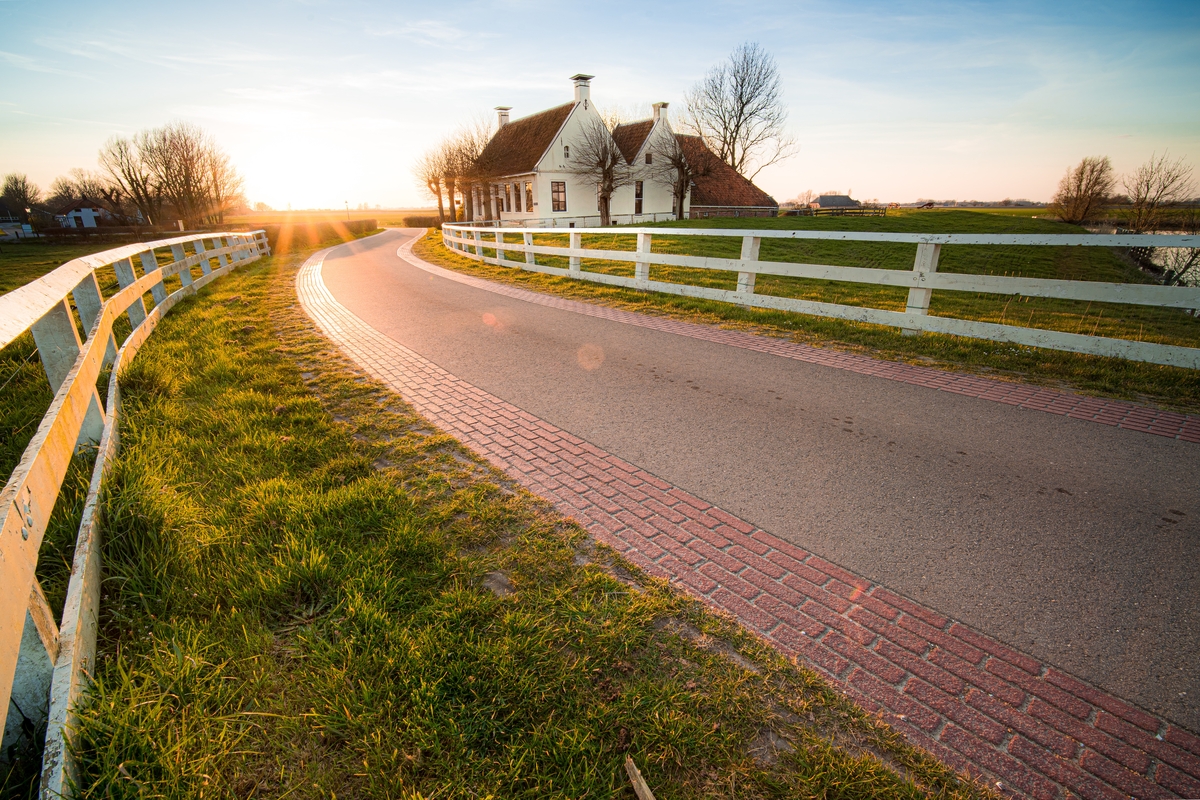
In recent years, there has been a noticeable increase in the number of property buyers shifting their focus from city centers to suburban and peripheral areas. This trend is driven by a combination of economic, social, and technological factors that are reshaping how people choose where to live. ...

Date: May 19, 2026
In today’s competitive and information-rich marketplace, transparency has become a key factor in influencing consumer decisions. Buyers are no longer satisfied with vague claims or incomplete information they expect honesty, clarity, and openness from the brands they choose. Transparency is not ju ...
Date: May 20, 2026
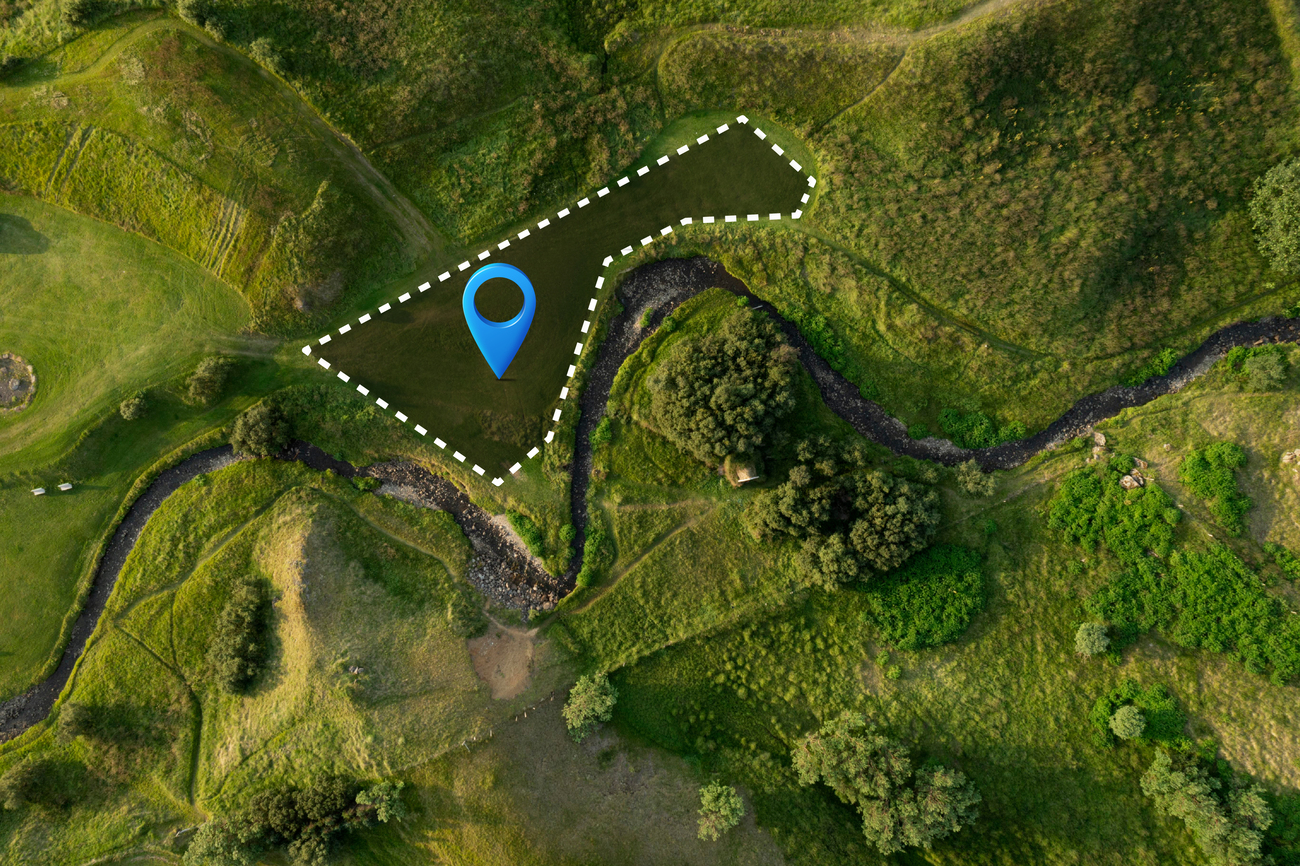
Buying a land plot (often referred to as kavling in Indonesia) is widely seen as a promising investment. Land tends to appreciate over time, offers flexibility for future development, and is often considered more stable than other property types. However, despite these advantages, many potential buy ...
Ala Land Bali — a magical place for the real you
BECOME PART OF THE HISTORY Share your contact details, and our manager will reach out
with full project details