

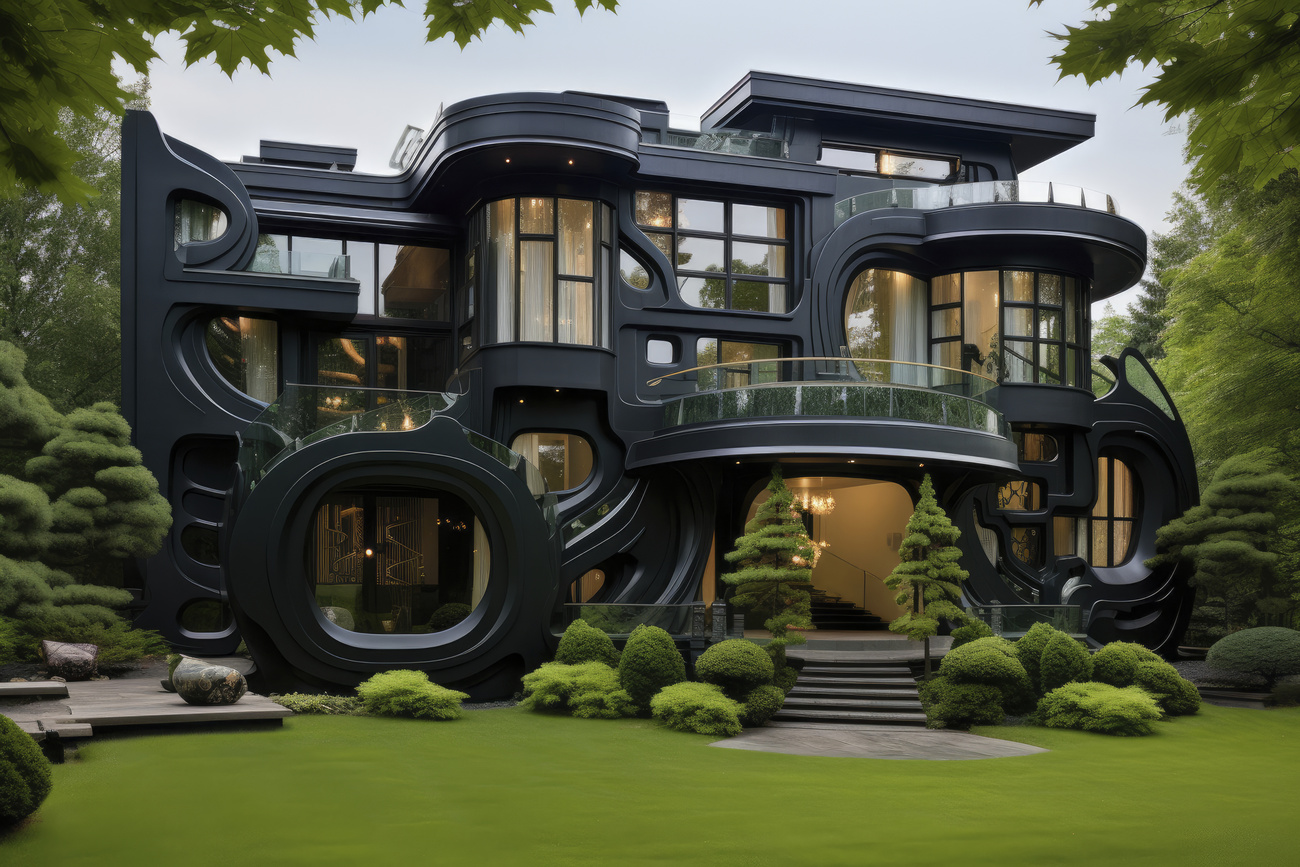
Villa Design Trends 2026: What Tourists and Investors Want
As the global travel industry evolves, so do expectations for high-end accommodations. In 2026, villa design is at the forefront of blending luxury, sustainability, technology, and cultural authenticity. This trend shift is shaped by changing traveler values and investor priorities: comfort, unique experiences, environmental responsibility, and long-term profitability.
1. Sustainable and Eco-Luxury Design
Sustainability is no longer a niche preference, it’s a demand. Today’s travelers seek villas that reduce environmental impact while delivering luxury. This includes: Eco-friendly materials: bamboo, reclaimed wood, recycled stone, and non-toxic finishes. Passive cooling and heating design: Orientation and material choices that reduce energy needs. On-site renewable systems: Solar panels, green roofs, and smart water management. For investors, sustainability isn’t only ethical it also lowers operating costs and attracts eco-conscious guests willing to pay a premium.
2. Biophilic and Wellness-Focused Spaces
The connection between nature and well-being is a dominant trend. Tourists increasingly value villas that integrate: Natural elements: Indoor gardens, water features, large windows, and nature-inspired décor. Wellness zones: Meditation decks, spa bathrooms, yoga terraces, and private pools. Circadian lighting systems to improve sleep and mood. These design features elevate guest experience and extend average stays an attractive metric for investors.
3. Tech-Integrated Luxury
Smart villas are no longer futuristic; they are expected. Key technological trends include: Voice-activated controls for lighting, temperature, and entertainment. Automated check-in and concierge services via apps or tablets. High-speed connectivity for seamless remote work. For digital nomads and luxury travelers alike, technology becomes part of the value proposition.
4. Flexible, Multi-Functional Interior Design
Travel patterns have shifted: visitors may vacation, work, and relax all in one trip. Design trends reflecting this include: Convertible spaces: Bedrooms that double as offices. Indoor-outdoor living: Retractable walls, shaded verandas, and integrated terraces. Modular furniture: For adaptability without aesthetic compromise. Investors benefit as these villas appeal to a broader guest demographic, from remote workers to multigenerational families.
5. Local Culture and Authenticity
A villa’s character now plays a crucial role in guest experience. Travelers want to feel immersed in the destination rather than in a standardized luxury setting. Designers are responding by: Using local artisans for furnishings and finishes. Incorporating regional architectural styles. Curating culturally inspired décor and amenities. This approach elevates a villa’s brand identity and differentiates it in competitive markets.
6. Privacy and Exclusive Experiences
Post-pandemic preferences still linger: privacy is prized. Modern trends emphasize: Private entrances and exclusive zones within properties. Secluded outdoor areas and private pools. Butler or bespoke services without intrusion. This exclusivity often translates to higher nightly rates and increased investor returns.
7. Resilient and Low-Maintenance Materials
Investors look for design that stands the test of time. Villas in tropical or coastal areas, especially, benefit from: Durable finishes resistant to salt, humidity, UV exposure. Low-maintenance landscaping that reduces operating costs. Smart drainage and weather-adaptive features. These attributes ensure long-term value and reduce overhead.
In 2026, villa design trends reflect a synergy between tourist desires and investor expectations. Sustainability, wellness, technology, cultural authenticity, and flexible spaces are more than aesthetic choices they are strategic design decisions that enhance guest satisfaction and return on investment. As the hospitality landscape grows more competitive, villas that innovate thoughtfully will stand out, drawing discerning travelers and optimizing revenue for stakeholders.
Date: May 16, 2026
Buying a home is one of the most significant financial and emotional decisions a person can make. For many buyers, the process can feel overwhelming due to the wide range of options, financial considerations, and long-term implications. As a property professional, your role is not just to sell but t ...

Date: May 17, 2026
Buying your first property is an exciting milestone, but it can also be overwhelming. Many first-time buyers make avoidable mistakes that can lead to financial stress, regret, or missed opportunities. Understanding these common pitfalls can help you make smarter, more confident decisions. 1. Not ...

Date: May 18, 2026
In recent years, there has been a noticeable increase in the number of property buyers shifting their focus from city centers to suburban and peripheral areas. This trend is driven by a combination of economic, social, and technological factors that are reshaping how people choose where to live. ...

Date: May 19, 2026
In today’s competitive and information-rich marketplace, transparency has become a key factor in influencing consumer decisions. Buyers are no longer satisfied with vague claims or incomplete information they expect honesty, clarity, and openness from the brands they choose. Transparency is not ju ...

Date: May 20, 2026
Buying a land plot (often referred to as kavling in Indonesia) is widely seen as a promising investment. Land tends to appreciate over time, offers flexibility for future development, and is often considered more stable than other property types. However, despite these advantages, many potential buy ...
Ala Land Bali — a magical place for the real you
BECOME PART OF THE HISTORY Share your contact details, and our manager will reach out
with full project details