

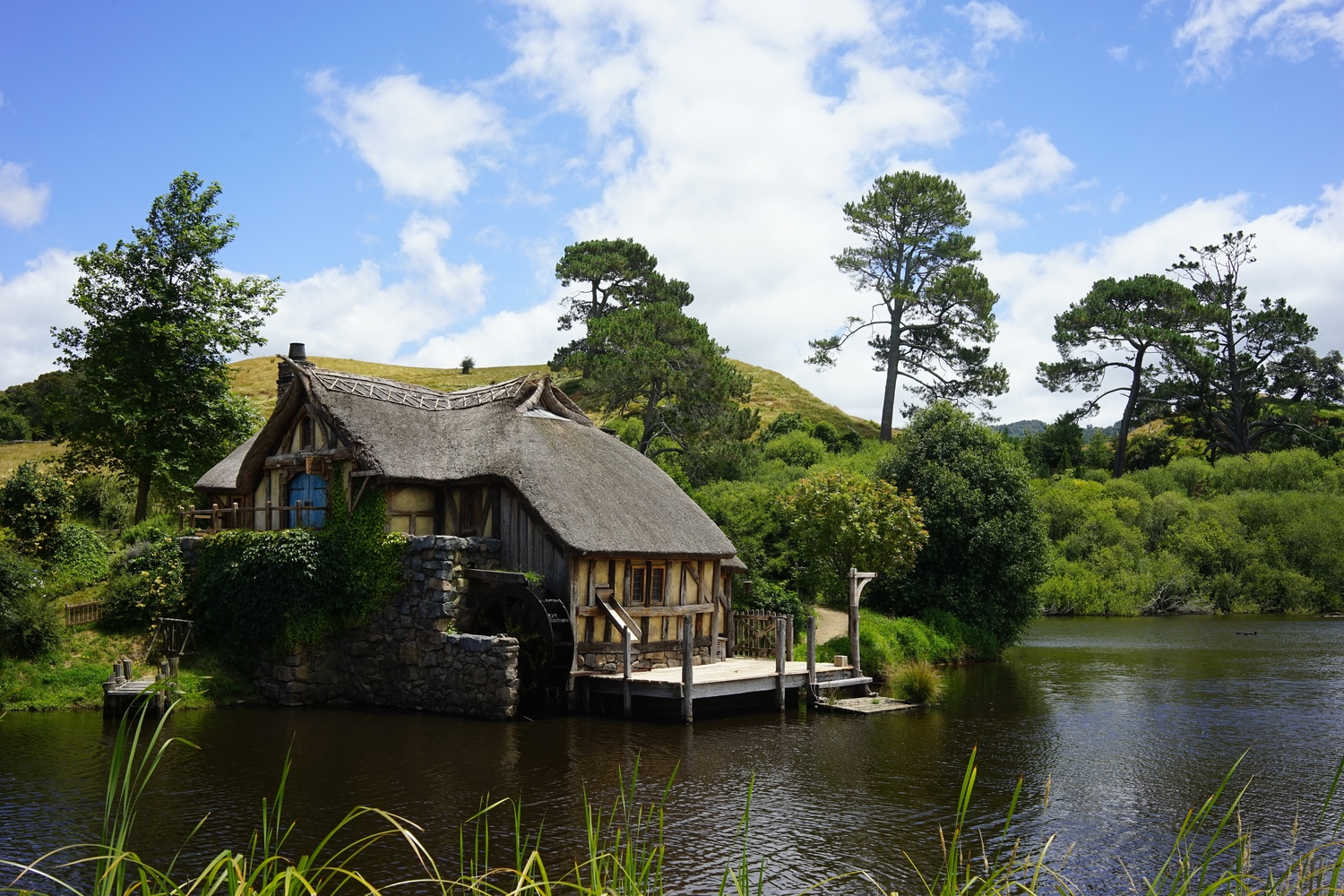
What to Prepare If Building a House Without Neighbors
Building a home in a quiet location far from neighbors can be an attractive option for those seeking privacy, tranquility, and a natural setting. However, this situation also presents its own challenges that must be considered from the outset. Here are some things to prepare for:
1. Road Access and Transportation
Houses without neighbors are generally located in remote areas. Ensure adequate road access for easy access and exit. Also consider the distance to the city center, schools, hospitals, and other public facilities.
2. Water Availability
A water source is vital. If there is no PDAM network, options include drilling a well, digging a well, or setting up a rainwater harvesting system. Ensure the water quality is safe for consumption.
3. Electricity and Energy
If your location is not connected to the PLN grid, alternative solutions include solar panels, generators, or wind turbines. Calculate your electricity needs from the start to ensure all household appliances can function properly.
4. Security System
Because your home is far from neighbors, it's at higher risk of theft. Prepare a security system such as a sturdy fence, CCTV, alarms, and even guard dogs if necessary. It's also important to maintain a good relationship with village officials or local security.
5. Communication and Internet Networks
Ensure that the area has a stable telephone and internet signal. If the signal is weak, use a signal booster (repeater) or choose a satellite internet service.
6. Logistics Supplies
Living in a remote area can make access to markets or convenience stores quite difficult. Make sure you stock up on essential supplies, including food, medicine, and emergency supplies.
7. Health and First Aid
Because the location is far from medical facilities, prepare a complete first aid kit and learn the basics of first aid. If possible, ensure there is fast transportation to the nearest hospital.
8. Environment and Natural Surroundings
Understand the natural conditions around your home, such as the potential for flooding, landslides, or wildlife disturbances. This way, you can design a safer home, for example by raising the foundation, strengthening the structure, or installing a safety fence.
9. Land and Building Legality
Ensure the selected land has clear legal status. Processing certificates, building permits (IMB or PBG according to the latest regulations), and environmental permits is essential to avoid future issues.
10. Long-Term Planning
Living in a house without neighbors means you have to be more independent. Create long-term plans regarding maintenance costs, waste management, and possible future home expansions.
So, we can conclude that building a house without neighbors offers peace and privacy, but requires more preparation than building a house in a densely populated area. With careful planning, a house in a quiet location can become a comfortable, safe, and sustainable residence.

Date: May 16, 2026
Buying a home is one of the most significant financial and emotional decisions a person can make. For many buyers, the process can feel overwhelming due to the wide range of options, financial considerations, and long-term implications. As a property professional, your role is not just to sell but t ...
Date: May 17, 2026
Buying your first property is an exciting milestone, but it can also be overwhelming. Many first-time buyers make avoidable mistakes that can lead to financial stress, regret, or missed opportunities. Understanding these common pitfalls can help you make smarter, more confident decisions. 1. Not ...
Date: May 18, 2026
In recent years, there has been a noticeable increase in the number of property buyers shifting their focus from city centers to suburban and peripheral areas. This trend is driven by a combination of economic, social, and technological factors that are reshaping how people choose where to live. ...

Date: May 19, 2026
In today’s competitive and information-rich marketplace, transparency has become a key factor in influencing consumer decisions. Buyers are no longer satisfied with vague claims or incomplete information they expect honesty, clarity, and openness from the brands they choose. Transparency is not ju ...
Date: May 20, 2026
Buying a land plot (often referred to as kavling in Indonesia) is widely seen as a promising investment. Land tends to appreciate over time, offers flexibility for future development, and is often considered more stable than other property types. However, despite these advantages, many potential buy ...
Ala Land Bali — a magical place for the real you
BECOME PART OF THE HISTORY Share your contact details, and our manager will reach out
with full project details