

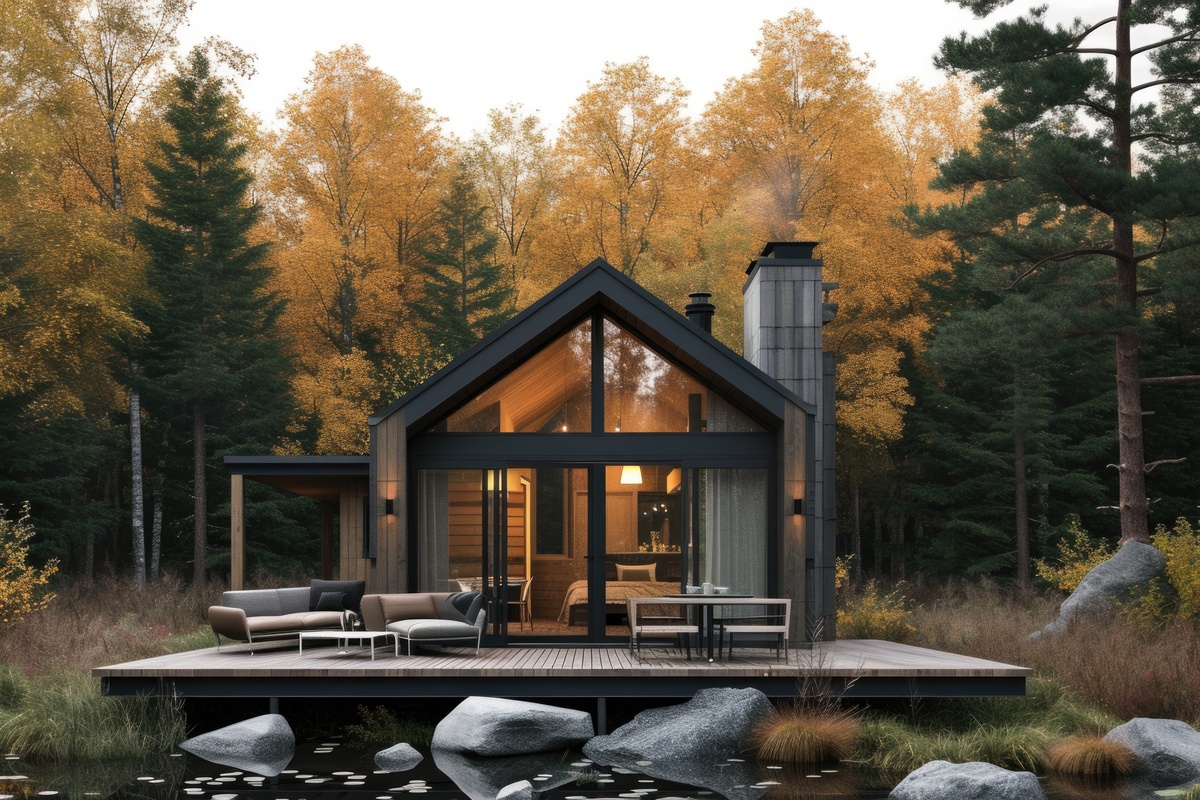
Who Is Buying Property in 2026? The New Generation of Investors and End-Users
The property market in 2026 looks very different from a decade ago. Rapid digital transformation, shifting lifestyle priorities, remote work culture, and global economic changes have reshaped who is buying real estate and why. Today’s buyers are younger, more data-driven, and more strategic. They are not only purchasing homes to live in but also viewing property as a lifestyle asset and long-term investment vehicle. So, who exactly is buying property in 2026?
1. Millennial Investors: From First-Time Buyers to Portfolio Builders
Millennials (born 1981–1996) are no longer “young buyers.” In 2026, they are in their prime earning years and actively building wealth.
Key Characteristics: Comfortable with digital property platforms, Research-driven and ROI-focused, interested in rental income and asset appreciation, Prefer flexible properties (villas, co-living, hybrid residential-investment homes)
Many millennials are moving beyond buying a primary residence. Instead, they are acquiring second properties for short-term rentals or passive income streams, especially in tourism-driven markets.
They prioritize: Smart home features, Sustainable construction, High rental demand locations and Strong resale value
2. Gen Z Buyers: The Digital-Native Property Owners
The oldest members of Generation Z (born 1997–2012) are entering their late 20s in 2026 and they are entering the property market earlier than expected.
Unlike previous generations, Gen Z buyers: Rely heavily on social media and online research, compare properties through virtual tours, Value flexibility over long-term fixed living, consider global mobility before committing to a location.
Many Gen Z buyers are entrepreneurs, remote workers, freelancers, or digital nomads. They seek properties that allow: Work-from-anywhere functionality, Strong Wi-Fi infrastructure, Lifestyle appeal (near beaches, cafes, creative hubs). For them, property is both a home and a brand statement.
3. Remote Professionals and Digital Nomads
The work-from-anywhere movement has permanently changed buying behavior. Cities and lifestyle destinations that attract remote professionals continue to see rising demand. Buyers are choosing locations not based on office proximity but on: Quality of life, Climate, Community, Internet reliability, Cost efficiency.
These buyers often: Purchase smaller, high-quality properties, seek fully furnished units, Prioritize convenience and minimal maintenance. In tourism destinations, villas with private pools and home office setups are particularly attractive.
4. Lifestyle-Driven End-Users
Not all buyers are pure investors. A large segment in 2026 consists of lifestyle-driven end-users.
These buyers prioritize: Comfort, Privacy, Security, Long-term livability. Many are relocating from dense urban environments to suburban or resort-style areas. Wellness amenities, green spaces, and private outdoor areas are strong selling points.
Unlike speculative investors, end-users focus on: Emotional value, Neighborhood quality, Community environment and Long-term stability.
5. Cross-Border and Hybrid Investors
Global connectivity has made international property investment more accessible than ever. In 2026, we see: Foreign buyers purchasing in lifestyle markets, Diaspora investors investing back home, Buyers diversifying portfolios across countries.
These investors are typically: Risk-aware, Currency-conscious, Focused on legal clarity and ownership structures
They seek markets with: Transparent regulations, Tourism growth, Infrastructure development and Political stability.
Key Trends Defining 2026 Buyers, across all segments, several themes stand out:
1. Data-Driven Decisions
Buyers analyze occupancy rates, yield projections, and development pipelines before committing.
2. Hybrid Use Properties
Homes that can function as both residence and income-generating asset are in high demand.
3. Sustainability Matters
Energy efficiency, solar panels, water systems, and eco-friendly materials influence purchase decisions.
4. Experience Over Size
Buyers prefer smarter layouts and lifestyle value over large but inefficient spaces.
The property buyer of 2026 is strategic, informed, and globally minded. Whether it’s a millennial building passive income, a Gen Z entrepreneur purchasing their first asset, or a lifestyle-focused family seeking better quality of life, today’s buyers see property as more than shelter it is a financial tool, a lifestyle choice, and a long-term security strategy.
For developers and sellers, understanding these new buyer profiles is no longer optional. It is essential for staying competitive in a rapidly evolving real estate landscape.

Date: May 16, 2026
Buying a home is one of the most significant financial and emotional decisions a person can make. For many buyers, the process can feel overwhelming due to the wide range of options, financial considerations, and long-term implications. As a property professional, your role is not just to sell but t ...

Date: May 17, 2026
Buying your first property is an exciting milestone, but it can also be overwhelming. Many first-time buyers make avoidable mistakes that can lead to financial stress, regret, or missed opportunities. Understanding these common pitfalls can help you make smarter, more confident decisions. 1. Not ...

Date: May 18, 2026
In recent years, there has been a noticeable increase in the number of property buyers shifting their focus from city centers to suburban and peripheral areas. This trend is driven by a combination of economic, social, and technological factors that are reshaping how people choose where to live. ...

Date: May 19, 2026
In today’s competitive and information-rich marketplace, transparency has become a key factor in influencing consumer decisions. Buyers are no longer satisfied with vague claims or incomplete information they expect honesty, clarity, and openness from the brands they choose. Transparency is not ju ...
Date: May 20, 2026
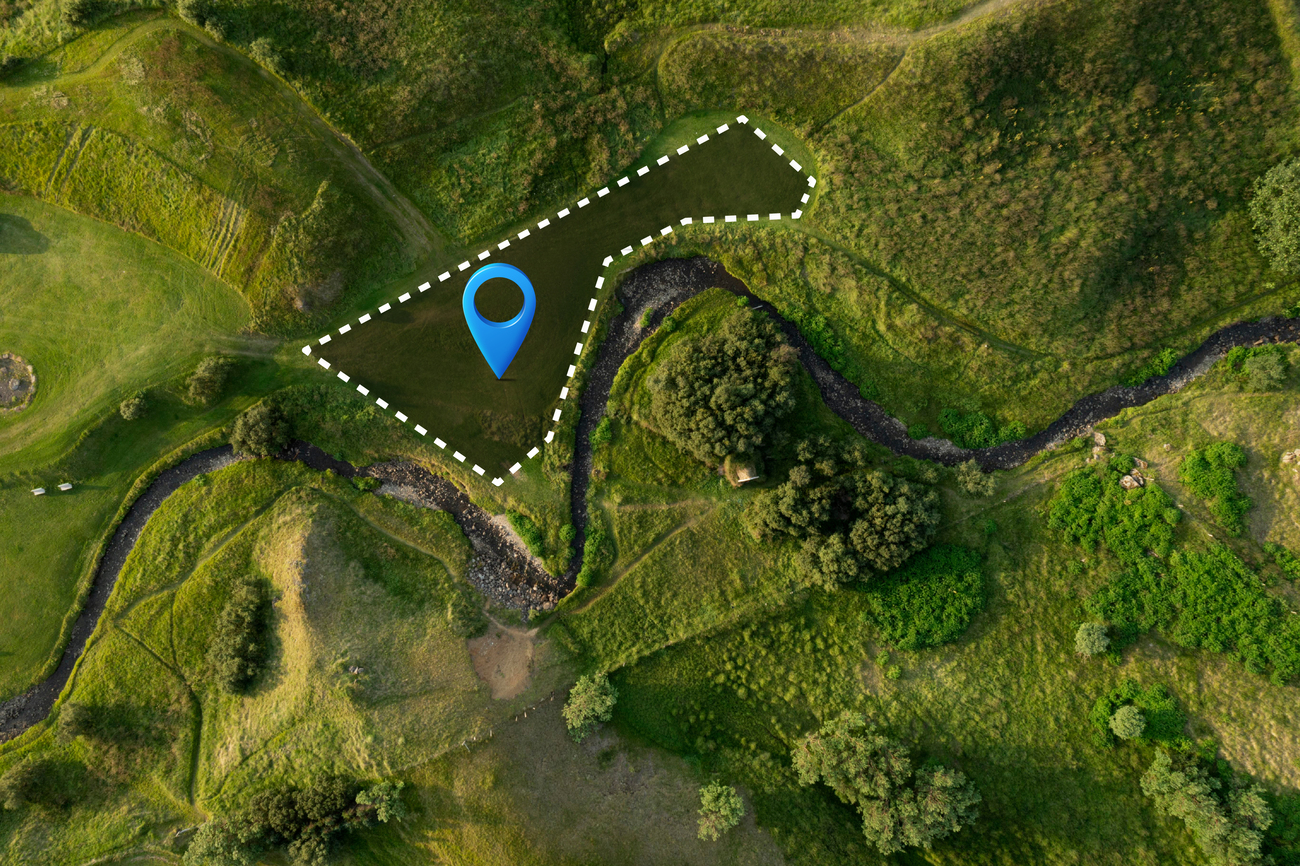
Buying a land plot (often referred to as kavling in Indonesia) is widely seen as a promising investment. Land tends to appreciate over time, offers flexibility for future development, and is often considered more stable than other property types. However, despite these advantages, many potential buy ...
Ala Land Bali — a magical place for the real you
BECOME PART OF THE HISTORY Share your contact details, and our manager will reach out
with full project details