

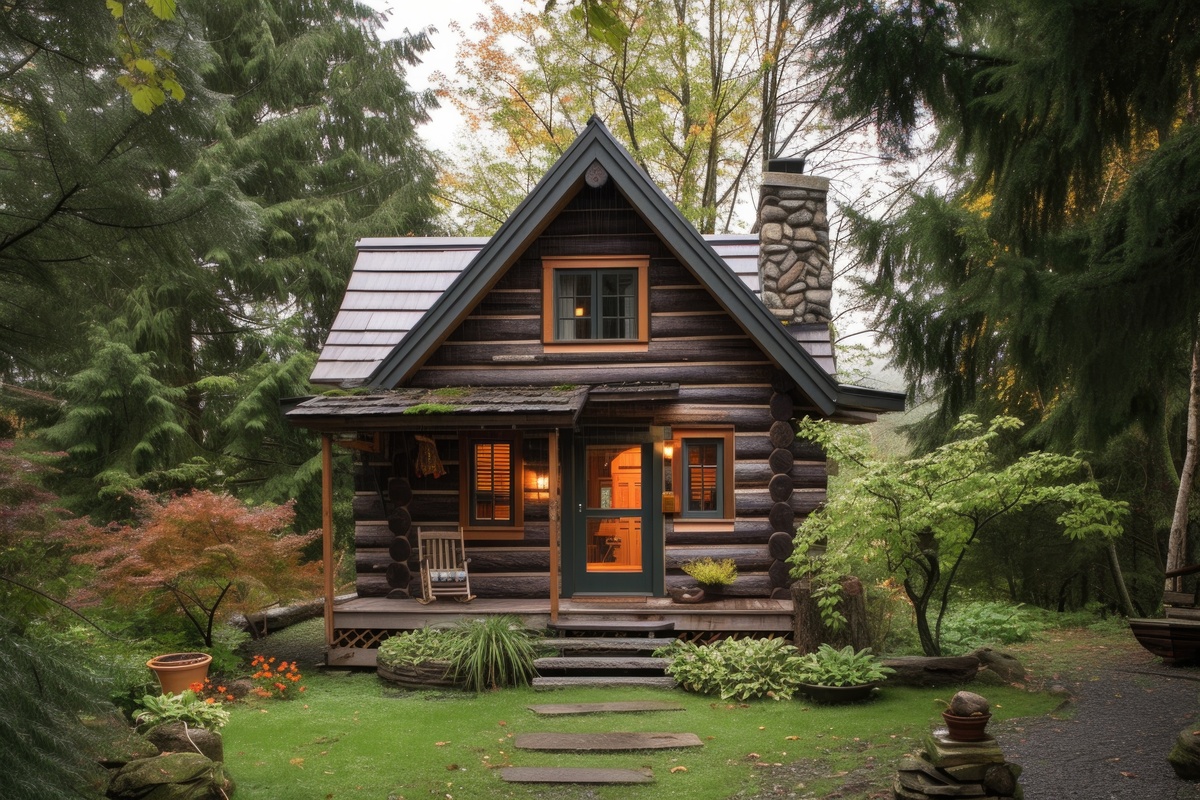
Why Homes Are Getting Smaller: The Rise of Compact Living
In recent years, a noticeable shift has occurred in the way people design and inhabit their living spaces. Across cities and even suburban areas, homes are becoming smaller. This trend, often referred to as compact living, reflects changing economic realities, evolving lifestyles, and growing environmental awareness.
One of the primary drivers behind smaller homes is the rising cost of housing. In many urban areas, land prices and construction costs have increased significantly, making large homes less affordable for the average buyer. As a result, people are opting for smaller, more efficient spaces that better fit their budgets. Compact homes allow individuals and families to live in desirable locations without the financial burden of maintaining a large property.
Urbanization also plays a major role. As more people move to cities in search of jobs and opportunities, available space becomes limited. Developers respond by building smaller apartments and houses to accommodate growing populations. In densely populated cities, compact living is often not just a choice, but a necessity.
Another important factor is the shift in lifestyle and priorities. Many people, especially younger generations, are choosing minimalism over materialism. Instead of accumulating possessions, they value experiences, mobility, and flexibility. Smaller homes encourage a more intentional way of living, where every item has a purpose and clutter is minimized. This lifestyle can lead to reduced stress and a greater sense of control over one’s environment.
Environmental concerns are also contributing to the trend. Smaller homes generally consume less energy for heating, cooling, and lighting. They require fewer materials to build and maintain, which reduces their overall environmental footprint. As awareness of climate change grows, more people are choosing compact living as a way to live more sustainably.
Technological advancements have made compact living more practical and comfortable. Smart home devices, multifunctional furniture, and innovative storage solutions allow small spaces to feel larger and more efficient. For example, foldable beds, extendable tables, and built-in storage help maximize every square meter.
However, compact living is not without its challenges. Limited space can lead to a lack of privacy, especially for families. It may also require significant lifestyle adjustments, such as downsizing belongings and adopting new organizational habits. Despite these challenges, many people find that the benefits outweigh the drawbacks.
In conclusion, the trend toward smaller homes reflects broader changes in society. Economic pressures, urban growth, shifting values, and environmental awareness all contribute to the rise of compact living. As cities continue to expand and lifestyles evolve, compact homes are likely to become an increasingly common and practical solution for modern living.
Date: May 16, 2026
Buying a home is one of the most significant financial and emotional decisions a person can make. For many buyers, the process can feel overwhelming due to the wide range of options, financial considerations, and long-term implications. As a property professional, your role is not just to sell but t ...

Date: May 17, 2026
Buying your first property is an exciting milestone, but it can also be overwhelming. Many first-time buyers make avoidable mistakes that can lead to financial stress, regret, or missed opportunities. Understanding these common pitfalls can help you make smarter, more confident decisions. 1. Not ...

Date: May 18, 2026
In recent years, there has been a noticeable increase in the number of property buyers shifting their focus from city centers to suburban and peripheral areas. This trend is driven by a combination of economic, social, and technological factors that are reshaping how people choose where to live. ...

Date: May 19, 2026
In today’s competitive and information-rich marketplace, transparency has become a key factor in influencing consumer decisions. Buyers are no longer satisfied with vague claims or incomplete information they expect honesty, clarity, and openness from the brands they choose. Transparency is not ju ...

Date: May 20, 2026
Buying a land plot (often referred to as kavling in Indonesia) is widely seen as a promising investment. Land tends to appreciate over time, offers flexibility for future development, and is often considered more stable than other property types. However, despite these advantages, many potential buy ...
Ala Land Bali — a magical place for the real you
BECOME PART OF THE HISTORY Share your contact details, and our manager will reach out
with full project details